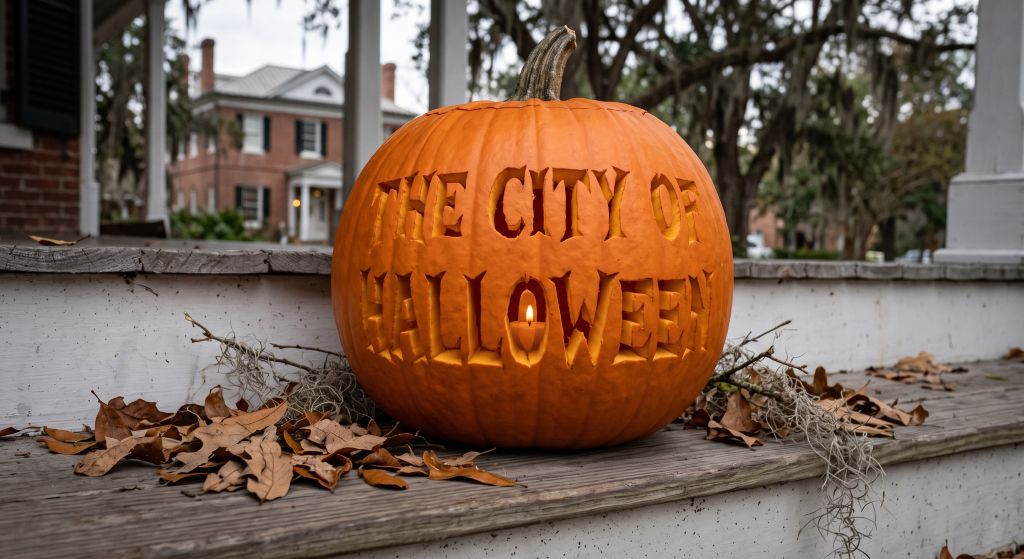
Something's happening in Conway every October, and if you haven't experienced it yet, you're missing one of the most distinctive small-town celebrations in the entire Southeast. Downtown Conway transforms into what locals have started calling the City of Halloween — and it's not marketing hype. It's the real thing. The historic architecture along Main Street and Third Avenue, the oak canopy dripping Spanish moss, the Waccamaw River running dark and slow past the downtown Conway Riverwalk, and a community that shows up for each other in a way most modern towns have forgotten how to. Let me walk you through what actually happens here in October and why it's worth experiencing yourself.
What Makes Conway the Perfect Halloween Town
Some towns dress up for Halloween. Conway already looks the part.
The historic district's Victorian and Queen Anne homes have wraparound porches, turret rooflines, iron fencing, and details that predate the twentieth century. These aren't renovated to look old. They actually are old. Some of these houses have been standing since the 1880s.
The trees do the rest. Ancient live oaks arch over Kingston Street, Main Street, and the residential blocks around downtown. Spanish moss hangs from the branches. In October, when the light angle shifts and the air finally cools off, that combination of historic homes and oak canopy takes on a mood you can't fake.
Then there's the river. The Waccamaw isn't a bright blue postcard river. It's a blackwater river — dark, still, tannin-stained, lined with cypress trees whose knees break the water surface. In fog, at dawn, on a moody October evening, it's genuinely atmospheric. Some visitors say it looks like something out of a Southern gothic novel. That's because it does.
Put Victorian architecture, ancient live oaks with Spanish moss, and a blackwater river in the same small downtown, and you get a town that photographs like a movie set for a Halloween film — except nobody had to build the set.
The Historic District in October
The historic district is where the whole thing comes together.
Individual homeowners here take Halloween seriously. Not with plastic skeletons from the drugstore. With real effort. Elaborate porch scenes. Full-yard installations. Homes that already look like they belong in an old ghost story become fully committed Halloween destinations.
Walk down Main Street or the residential blocks around Kingston and Third Avenue on an October evening and you'll see what committed neighborhood decoration actually looks like. One porch has an entire graveyard set up under the eaves. Another has smoke machines going. Another has installations that clearly took weekends to build.
Kids notice. That's part of why it works. Families push strollers under the oaks. Older kids ride bikes from one house to the next. Adults do their own version of the walk in the evenings, phones out, photographing what neighbors created.
The walkability makes it all possible. The historic district is genuinely designed for walking. Real sidewalks. Streetlights that don't overpower. Blocks laid out on a human scale. You can spend an entire evening walking a few square blocks and see more decorated homes than you'd see in a whole subdivision of newer construction.
Trick-or-Treat Night
Halloween night itself is when the identity really shows.
Families drive in from all over Horry County. Parents who live in newer subdivisions further out bring their kids to the historic district specifically because the experience is better than the standard suburban version. The streets fill up. Porches light up. Every house that's decorated is also handing out candy, often with the homeowners in costume themselves.
The mix of kids you see tells you a lot about the town. Toddlers in strollers doing their first Halloween. Elementary-age kids running from house to house. Middle schoolers pretending they're too cool but clearly having fun. Teenagers helping the smaller kids. Parents catching up with each other on the sidewalks. Grandparents on porches handing out candy and complimenting costumes.
Local restaurants stay open later and adjust their menus for the evening. Coffee shops turn into meetup spots for parents taking a break. The whole thing is genuinely a community event rather than just a marketing angle.
The Riverwalk Atmosphere
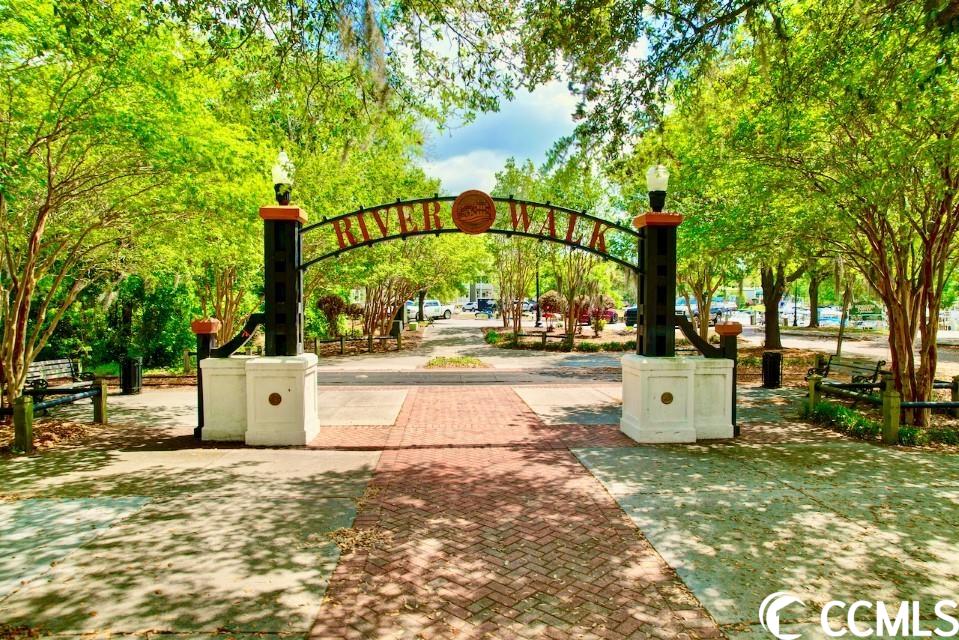 The Waccamaw Riverwalk brings another dimension to the season.
Evening walks along the river in October — with the cypress reflections in the dark water, the changing color of the trees, and the low light angle — create the specific mood that pumpkin patches and hay rides only approximate. The Riverwalk isn't decorated for Halloween the way individual homes are. It doesn't need to be. The natural atmosphere does the work.
Kayakers on the Waccamaw during golden hour in October take photos that would look staged if they weren't real. The river becomes an active part of the town's Halloween identity rather than just a backdrop.
Locals know that the Riverwalk after dark in October is one of the most distinctive experiences the Grand Strand offers. Not scary. Not gimmicky. Just genuinely atmospheric in a way manufactured entertainment can't match.
The Community Events That Anchor the Season
Beyond individual home decorations, Conway has built an ecosystem of programming that runs through October.
Downtown merchants coordinate seasonal window displays that turn the retail streets into a walking tour. Storefronts along Third Avenue and Main compete good-naturedly for the most creative displays. Coffee shops adjust their menus. Restaurants offer seasonal specials. Some of the best pumpkin-spice everything on the Grand Strand shows up in downtown Conway from mid-September through early November.
Community groups organize costume events, family-friendly gatherings, ghost walks, and specific programming for kids. Local churches sometimes host trunk-or-treat events for families who want a controlled environment. The Chamber of Commerce and local business alliance coordinate promotional programming that leverages the natural draw.
Coastal Carolina University adds another layer. CCU students, faculty, and their families participate in the community activities in ways that connect the university more visibly to the town. Home football weekends in October combine with Halloween activity to create some of the busiest and most vibrant weekends of the entire Conway year.
The Neighborhoods That Go All In
Different Conway neighborhoods approach October with different intensities, and locals know the map.
The historic downtown district is unmistakably the epicenter. If you want to experience Conway Halloween at its most concentrated, this is where you go. Kingston Street, Main Street, Third Avenue, and the blocks around them are consistently the most decorated and most walked.
Established residential neighborhoods a few blocks from downtown often develop their own reputations for specific streets that go especially hard. Word travels among Conway parents about which blocks are worth walking with kids on Halloween night. Some streets have such committed decoration that they draw traffic from all over town.
Newer subdivisions further from downtown participate but with a different character. More family-focused. Kid-centered. Trick-or-treat oriented. The historic district's atmospheric appeal is complemented by suburban Halloween that works especially well for families with younger kids.
Even golf and amenity communities develop their own seasonal culture — not as visibly Halloween as the historic district, but with community events and neighborhood decorations that support the broader October vibe.
The Ghost Stories Nobody Quite Knows the Origin Of
Every historic Southern town has stories. Conway is no exception.
The Kingston area has houses with reputations. Some are genuinely well-documented historic homes with real stories about the people who lived and died in them. Others have accumulated local folklore over the decades that may or may not have any factual basis. Either way, on an October evening walking under the oaks past homes that predate anyone currently alive, the stories feel plausible.
The Waccamaw River itself has generations of stories attached to it. Local storytellers, historical societies, and various ghost tour operators keep the folklore alive. Whether you take any of it seriously or not, the storytelling tradition is part of what gives the season depth.
Cemeteries in and around downtown Conway hold graves dating back generations. Some of the older ones sit under Spanish moss in a way that's genuinely striking. Local historians offer educational programming that touches on the history without turning it into commercial spectacle.
How the Weather Cooperates
Grand Strand October weather is nearly perfect for a Halloween celebration.
Days stay warm enough that outdoor activity is comfortable — usually mid-70s to low-80s through most of the month. Evenings cool off enough that you actually want a light jacket and hot cider makes sense. Humidity drops from summer highs to something manageable. Rain is less frequent than in summer. The trees begin their color change — later than New England but visible enough to matter.
By late October, the atmospheric quality is exactly what Halloween is supposed to feel like. Cool but not cold. Slightly moist air. Long shadows. Early sunsets. The kind of light and temperature that makes walking around outside at night feel more meaningful than it does in summer heat or winter chill.
What Nobody Tells Visitors About Conway in October
A few things that first-time October visitors consistently note.
The community engagement is real. This isn't tourist theater. Locals participate because they want to, not because a marketing committee organized it. That authenticity is what makes the whole thing feel different from purpose-built Halloween destinations.
The pace is slower than you'd expect from a well-known event town. Conway hasn't been commercialized into a Halloween tourist trap. You can still get a table at a restaurant. You can still park downtown. The town handles the season with grace rather than chaos.
The whole family works. Grandparents on porches. Parents pushing strollers. Kids of every age. Dogs in costume. This isn't a season for one specific demographic — it's a community event that includes everyone.
The best experiences aren't necessarily the biggest events. Some of the most memorable October moments in Conway are simple ones. Walking under the oaks on an unhurried evening. Stopping at a coffee shop and finding an unexpected seasonal drink. Catching sunset over the Waccamaw. Talking to a neighbor on a decorated porch about how they built their installation.
How to Actually Experience Conway's Halloween Season
If you're planning a visit, a few practical suggestions.
Come at least twice if you can. One evening walk through the historic district after dark. One daytime visit for downtown coffee, exploring the Riverwalk, and seeing the town in daylight. The two experiences complement each other.
Come during the week if you have flexibility. Weekend evenings are more crowded but also more energetic. Weekday evenings are quieter and let you appreciate the atmosphere without the crowd energy.
Bring a camera or make sure your phone has storage. You'll take pictures whether you plan to or not. The lighting and mood produce photos that people who weren't there always ask about.
Wear comfortable shoes. The best way to experience downtown Conway in October is on foot. Sidewalks. Streets. Riverwalk. You'll cover more ground than you expect.
Stop and talk to people. The community engagement is what makes this town different. Compliment somebody's porch decoration. Ask a shop owner what their favorite October moment has been. Chat with the person handing out candy on Halloween night. That's how you experience Conway rather than just visit it.
Why It Matters That Conway Does This
American small towns have been quietly losing what made them special for decades. Chain stores replaced local businesses. Screens replaced front porches. Mobility fragmented multi-generational neighborhoods. Community events got outsourced to municipal calendars nobody reads.
Conway has held on to more than most. The Halloween season is one visible expression of the underlying community fabric — but the fabric exists year-round. Neighbors know neighbors. People show up for each other. The historic district feels like a real neighborhood rather than a preserved museum.
When you experience Conway in October, you're seeing what small-town America is supposed to feel like when a community actively participates rather than passively consuming what someone else provides. That's rare now. It's worth appreciating when you find it.