Conway, SC Real Estate News 

Century 21 McAlpine Blog

The Agents and Staff at Century 21 McAlpine love our area and one another! We hope to share some of our daily activities with you and see how we might better serve our community!


May 19, 2026

Why Little River Appeals to Boat Owners and Retirees

Tucked along the Intracoastal Waterway just inland from the Atlantic, Little River, SC has quietly become one of the favorite landing spots for boat owners and retirees along the Grand Strand. The town has held onto its small fishing-village feel even as the rest of coastal South Carolina has grown rapidly. For buyers who want easy water access, a slower lifestyle, and a strong community without the resort crowds, Little River continues to deliver in ways that few other coastal towns can match.

Why Little River Is Unique

Little River sits right at the South Carolina and North Carolina border, with the Intracoastal Waterway running through the heart of town. Unlike the busier beach cities just south, Little River grew up around fishing, boating, and waterfront commerce, and that history still shapes the way the town feels today. You will find shrimp boats, charter fishing fleets, and family-owned waterfront restaurants alongside neighborhoods of waterway-access homes and cottages.

Buyers who explore Little River real estate are often surprised by how much waterway-oriented housing is available. Boat slips, dry storage, and direct waterway access are realistic options here, not just fantasies, and the marina culture is a big part of daily life.

Why Little River SC Appeals to Boat Owners and Retirees

Understanding the Little River Buyer

Buyers in Little River usually come from one of three groups. The first is boat owners who want quick access to the Intracoastal Waterway and the Atlantic. The second is retirees looking for a quieter version of coastal living, often after vacationing in the area for years. The third is value-driven buyers who love the proximity to North Myrtle Beach but appreciate the lower price points and slower pace they find here.

Many buyers cross-shop Little River with North Myrtle Beach before deciding. Those who want a beach-first lifestyle tend to choose North Myrtle Beach, while those who want a waterway-first lifestyle almost always pick Little River.

Market Conditions in Little River

The Little River market has been remarkably steady. Demand for waterway-access homes, boat-friendly properties, and well-located condos has stayed strong, and inventory tends to move quickly when priced correctly. New construction in the surrounding area has helped balance the market, but unique waterfront and waterway homes still command premiums because the supply is limited.

Pricing is generally more accessible than in oceanfront markets, especially for buyers willing to consider an inland home with shared marina access rather than a private dock. That price gap is one of the biggest reasons retirees and second-home buyers choose Little River over more expensive coastal options.

Home Features That Matter

Little River buyers tend to weigh waterway-related features more heavily than buyers in most other markets:

  • Boat access: Private docks, community boat ramps, and shared marina slips can change the value of a home significantly.
  • Outdoor living: Screened porches, decks with water views, and shaded backyards get heavy use most of the year.
  • Storage and garage space: Owners need room for boats, kayaks, fishing gear, and golf carts.
  • Single-level living: Many retirees prioritize ranch-style or first-floor primary bedroom layouts.
  • Low-maintenance exteriors: Vinyl siding, composite decking, and updated roofs reduce long-term upkeep, especially for second-home buyers.

Costs, Risks, and Practical Considerations

Owning a home near the water comes with a few costs that buyers should understand early. Wind, hail, and flood policies are usually separate from a standard homeowners policy, and rates can vary widely based on elevation and the home’s exact distance from the water. Marina-access communities may have multiple layers of HOA fees, including amenities, dock maintenance, and shared common areas. Buyers planning to keep a boat should also confirm whether dock maintenance, insurance, and storage fees are handled by the HOA or by individual owners. Walking through these details with a local agent and lender during the offer process keeps surprises to a minimum.

Local Lifestyle and Community Appeal

What buyers love most about Little River is how easy and unhurried life feels here. Residents start mornings on the dock, head out for a half day of fishing, return for lunch at a marina restaurant, and end the evening on the back porch listening to the sounds of the waterway. The annual Blue Crab Festival, World Famous Blue Crab Festival weekends, fishing tournaments, and live music at marina venues bring the community together throughout the year.

For retirees, the appeal goes beyond recreation. Healthcare options, grocery stores, and shopping are all close by, and the short drive to North Myrtle Beach gives residents access to bigger restaurants, shopping centers, and beaches without having to live in the middle of the activity.

Strategy for Buyers

Buyers shopping in Little River should start by deciding what kind of water access they actually want. A private dock home commands a much higher price than a community-access home, but it also delivers a different daily experience. Boat owners with smaller vessels may be just as happy with a marina slip and a low-maintenance condo, while bigger-boat owners often want a dock right behind the house. Working with a local agent who understands waterway depths, dock permits, and marina rules makes the search much more efficient. Buyers coming from out of state also benefit from a clear walk-through of the buying process so timing, financing, and inspections all line up smoothly.

Key Takeaways

Little River, SC continues to appeal to boat owners and retirees because it delivers something rare on the coast: a working waterway lifestyle paired with a strong sense of community and price points that still leave room to enjoy life. Buyers who want easy access to the Intracoastal Waterway, a slower pace, and the convenience of nearby North Myrtle Beach almost always come away impressed. The most important takeaway is that Little River rewards buyers who clarify their priorities early, especially around boat access, low-maintenance living, and HOA structure, and who work with a local agent who knows the inside details of each waterway-focused community.

About Greg Harrelson

Greg Harrelson is a seasoned Realtor® with more than 30 years of experience serving the Myrtle Beach and Grand Strand markets. As the founder of Century 21 The Harrelson Group, Greg has built his career helping buyers, sellers, and investors achieve success in every corner of the coastal Carolina real estate market. His expertise spans residential homes, investment properties, land development, and coastal condos. Known for his deep local knowledge, innovative marketing strategies, and commitment to personal service, Greg consistently helps clients reach their real estate goals while navigating the ever-changing market with confidence and precision.

Posted in For Buyers, Lifestyle
May 18, 2026

Ocean Drive vs. Cherry Grove: Which Area Fits Your Lifestyle?

If you have spent any time exploring North Myrtle Beach, you have probably noticed how different it feels from one section to the next. Two of the most popular areas, Ocean Drive and Cherry Grove, sit just a few minutes apart but offer two distinctly different lifestyles. Both are beloved, both have loyal full-time and second-home communities, and both have shaped the personality of the city over generations. The right choice between them really comes down to how you want to spend your days, and understanding what makes each section unique is the key to picking the home and the neighborhood that actually fit you.

Why North Myrtle Beach Has So Many Personalities

North Myrtle Beach is technically one city, but locals think of it as a string of distinct beach communities. Each section has its own street layout, its own beach access feel, and its own pace. Buyers exploring North Myrtle Beach real estate often arrive thinking the choice is one beach or another. They quickly discover that the choice is closer to picking between two different towns that happen to share the same coastline.

Ocean Drive sits in the central, historic heart of North Myrtle Beach, while Cherry Grove anchors the northern end and stretches into a network of saltwater canals. The geography alone shapes much of how daily life feels in each.

The Personality of Ocean Drive

Ocean Drive, often referred to as “OD” by locals, is the cultural heart of North Myrtle Beach. Main Street runs straight to the ocean, and the area carries a deep connection to the shag, the official state dance of South Carolina. Beach music venues, classic bars, and waterfront restaurants give Ocean Drive a social, walkable energy that buyers either love right away or know is not the right fit.

Most homes in Ocean Drive are on flat city blocks set back from a wide, open beach. You will find everything from older single-story cottages to fully renovated raised beach homes and oceanfront condos. The streets are golf cart friendly, and many residents do most of their daily errands without ever getting in a car. Buyers who choose Ocean Drive usually want easy access to dining, music, festivals, and the steady rhythm of a classic beach town.

The Personality of Cherry Grove

Cherry Grove sits at the northern edge of the city, where saltwater marshes weave between residential streets and form a network of canals leading to the Intracoastal Waterway. Most of the homes here are raised beach homes, many with private docks behind them. Boating, fishing, kayaking, and crabbing are part of the daily routine for a lot of residents, and the lifestyle leans toward outdoor recreation more than nightlife.

The beach in Cherry Grove feels different too. The pier is a local landmark, the foot traffic is generally lighter than around Main Street, and the sand stretches out into a wide, peaceful shoreline at low tide. Buyers who want a more residential, water-oriented lifestyle, especially boat owners and retirees, gravitate here. Many also cross-shop just inland in Little River when looking at canal homes and waterway access at slightly different price points.

Comparing the Daily Lifestyle

The clearest way to choose between these two areas is to picture an average week. In Ocean Drive, mornings might start with coffee on the porch, a short walk to the beach, errands by golf cart, lunch at a Main Street favorite, and an evening of live music at a waterfront venue. In Cherry Grove, mornings might start with the boat, a few hours fishing or shrimping, lunch at home, kayaking through the marsh in the afternoon, and a quiet sunset on the dock.

Both lifestyles are wonderful. They are simply different. Buyers who realize early which version of a beach week feels more like home tend to fall in love with their neighborhood faster.

Ocean Drive vs. Cherry Grove Which Area Fits Your Lifestyle

Home Features That Matter

Buyers shopping in either area should pay close attention to a handful of features:

  • Elevation and flood zone: Both Ocean Drive and Cherry Grove include homes in flood zones, and elevation impacts insurance and long-term value.
  • Boat access: Cherry Grove canal homes vary based on water depth, dock length, and bridge clearance to the open waterway.
  • Beach proximity: Ocean Drive homes are often valued by how many blocks they sit from the sand and the closest public access.
  • HOA or regime structure: Many condos and a few neighborhoods carry HOAs that affect rentals, pets, and exterior changes.
  • Rental potential: Investors should review both city rules and HOA rules before counting on short-term rental income.

Costs, Risks, and Practical Considerations

Coastal ownership in either area comes with insurance, flood, and HOA layers that buyers from inland markets often underestimate. Wind and hail policies, separate flood policies, and master condo policies are all part of a typical North Myrtle Beach budget. In Cherry Grove, homes with private docks may need additional coverage and ongoing maintenance for the dock structure itself. In Ocean Drive, older oceanfront condos may carry assessment risk tied to building maintenance, so reviewing recent meeting minutes and reserve studies is essential.

Property taxes also behave differently for owner-occupied buyers compared to second-home and investment buyers. Working through carrying costs with a local lender and agent before making an offer keeps the picture clear from day one.

Strategy for Buyers

The smartest buyers shopping these two areas spend a day in each before deciding. Walk Main Street in Ocean Drive in the late afternoon. Take a slow drive through the streets of Cherry Grove and stop near the marsh at sunset. Visit during a busy weekend and a quiet weekday. The two trips will tell you more than any spreadsheet ever could.

From there, work with a local agent who has closed in both areas. They can guide you through canal-specific issues in Cherry Grove, condo-specific issues along Ocean Drive’s oceanfront, and the rental rules that vary block by block.

Key Takeaways

  • Ocean Drive offers a walkable, social, classic beach-town lifestyle centered around Main Street and the wide open beach.
  • Cherry Grove offers a quieter, water-oriented lifestyle with canal homes, marsh access, and a strong boating culture.
  • Boat owners, retirees, and outdoor lovers often gravitate to Cherry Grove.
  • Buyers who want music, dining, and a lively beach-town feel often choose Ocean Drive.
  • Insurance, flood zones, HOA rules, and rental policies all deserve a careful review in both sections.

About Greg Harrelson

Greg Harrelson is a seasoned Realtor® with more than 30 years of experience serving the Myrtle Beach and Grand Strand markets. As the founder of Century 21 The Harrelson Group, Greg has built his career helping buyers, sellers, and investors achieve success in every corner of the coastal Carolina real estate market. His expertise spans residential homes, investment properties, land development, and coastal condos. Known for his deep local knowledge, innovative marketing strategies, and commitment to personal service, Greg consistently helps clients reach their real estate goals while navigating the ever-changing market with confidence and precision.
Posted in For Buyers, Lifestyle
May 15, 2026

Why Myrtle Beach Remains One of the Southeast's Hottest Markets

For more than a decade, Myrtle Beach has been one of the most talked-about real estate markets in the Southeast, and the momentum has not slowed down. Buyers from out of state continue to drive demand, primary residents continue to upgrade, and investors keep eyeing the long-term value of coastal South Carolina property. If you are watching the market and wondering what keeps Myrtle Beach so consistently strong, the answer is a blend of lifestyle, affordability, and steady population growth that very few coastal cities can match right now.

Why Myrtle Beach Is Unique

Myrtle Beach sits at the heart of the Grand Strand, with roughly 60 miles of coastline running from Little River south to Pawleys Island. That stretch of beach is paired with a rare combination of resort amenities, golf, dining, and entertainment that you simply do not find at this scale in many other coastal markets. The result is a city that functions as a year-round community, a vacation destination, and an investor-friendly market all at the same time.

Buyers exploring Myrtle Beach real estate are often surprised by how much variety they find. Oceanfront condos in iconic high-rises, single-family homes in master-planned communities like Carolina Forest, golf course homes in Grande Dunes, and walkable urban living near Market Common all coexist within the same city.

Market Conditions in Myrtle Beach

The Myrtle Beach market continues to outperform many comparable coastal cities for a few reasons. Population growth in Horry County has stayed strong, fueled by retirees and remote workers leaving more expensive states. Builders have responded with new construction at virtually every price point, which has helped keep inventory available even when buyer demand surges.

Pricing has cooled from the sharpest peaks of the past few years, but homes priced correctly still sell quickly. Buyers continue to find better value here than in comparable Florida or coastal North Carolina towns, and that price-to-lifestyle ratio is one of the biggest reasons Myrtle Beach has held its appeal.


Why Myrtle Beach Remains One of the Southeast's Hottest Markets

Understanding the Myrtle Beach Buyer

Several different buyer profiles drive activity in this market, and understanding which one you are can help focus your search:

  • Out-of-state relocation buyers seeking lower taxes, milder weather, and proximity to the coast.
  • Retirees looking for low-maintenance homes, strong amenities, and easy access to healthcare.
  • Second-home and vacation buyers wanting beach access and rental potential.
  • Investors targeting condos and short-term rental properties for cash flow and appreciation.
  • Local buyers moving up to larger homes, golf course communities, or oceanfront properties.

Each of these groups looks at the market through a different lens. A retiree shopping for a quiet single-level home will weigh HOA structure differently than an investor focused on rental flexibility, and a vacation-home buyer will care more about beach distance than about school zones.

Home Features That Matter

Buyers in Myrtle Beach pay close attention to a handful of features more than anything else. Outdoor living spaces, including screened porches and oversized patios, are highly valued because of how often they get used. Open floor plans appeal to buyers who plan to entertain or host visiting family. New or recently updated HVAC systems matter because of the long, humid summers. And for condo buyers, the building’s reserves, recent assessments, and on-site amenities can often outweigh the unit itself.

For higher-end buyers, the conversation shifts toward oceanfront views, luxury finishes, and gated communities. Shoppers exploring Myrtle Beach million dollar homes are typically comparing custom homes in Grande Dunes, oceanfront properties in the Golden Mile, and high-end golf course estates.

Costs, Risks, and Practical Considerations

Buyers should plan for a few costs that look different here than in inland markets. Wind and hail policies, separate flood insurance, and HOA or master-association fees are all part of the typical Myrtle Beach budget. Older oceanfront condos can come with special assessments tied to building maintenance, so reviewing the HOA financials early in the offer process is one of the most important steps a buyer can take.

Property taxes are very favorable for owner-occupied buyers in South Carolina, but second-home and investment buyers fall under a higher assessment ratio. Working through the long-term carrying cost picture before making an offer keeps surprises to a minimum.

Local Lifestyle and Community Appeal

Buyers stay in love with Myrtle Beach because of how easy life here can be. Residents wake up to ocean breezes, walk to beachfront cafes, golf year-round on more than 60 courses, and enjoy a calendar full of events from spring through fall. Healthcare options have expanded significantly, dining choices keep getting more interesting, and shopping districts like The Market Common offer the convenience of a small city without the congestion.

The lifestyle is what closes the deal for most buyers, especially those moving from the Northeast or Midwest. Once they spend a few months here, they rarely look back.

Strategy for Buyers

The most successful Myrtle Beach buyers do three things well. They get pre-approved early so they can move quickly when the right home appears. They learn the differences between the major sub-markets, since Carolina Forest, the Golden Mile, Market Common, and Grande Dunes feel very different and serve different buyers. And they lean on a local agent who can flag the issues that out-of-area buyers often miss, including HOA red flags, flood-zone changes, and quirks in condo regimes. A clear understanding of the buying process from offer to closing also helps long-distance buyers avoid timing problems.

Key Takeaways

Myrtle Beach remains one of the hottest markets in the Southeast because it offers a powerful combination of coastal living, strong inventory, attractive pricing, and consistent population growth. The variety of communities lets each buyer find a setting that matches the way they actually want to live, whether that means oceanfront condo life, golf course living, or a quiet single-family home in Carolina Forest. Buyers who plan ahead, get pre-approved, and work with a local agent who understands the day-to-day differences between Myrtle Beach neighborhoods will find this market not just exciting, but very rewarding to buy in.

About Greg Harrelson

Greg Harrelson is a seasoned Realtor® with more than 30 years of experience serving the Myrtle Beach and Grand Strand markets. As the founder of Century 21 The Harrelson Group, Greg has built his career helping buyers, sellers, and investors achieve success in every corner of the coastal Carolina real estate market. His expertise spans residential homes, investment properties, land development, and coastal condos. Known for his deep local knowledge, innovative marketing strategies, and commitment to personal service, Greg consistently helps clients reach their real estate goals while navigating the ever-changing market with confidence and precision.
Posted in For Buyers
May 14, 2026

Why Longs, SC Continues to Grow Rapidly

Longs, South Carolina was once one of the quietest corners of Horry County. Drive through it ten years ago and you would see open fields, country roads, and a handful of long-established neighborhoods. Today, Longs is one of the fastest-growing communities along the Grand Strand. New construction is popping up across the area, buyers are arriving from across the country, and prices have steadily climbed while still feeling like a value compared to coastal towns just a short drive away. Understanding why Longs is growing so quickly will help any buyer or seller make smarter decisions in this rapidly evolving part of Horry County.

Why Longs Is Unique

Longs sits just inland from North Myrtle Beach, with quick access to the beach, the Intracoastal Waterway, and the rest of Horry County. The geography is part of what has made it so attractive. Buyers can enjoy the lifestyle of coastal South Carolina without paying the prices that come with living directly on the water or close to Main Street. Larger lots, newer construction, and more home for the money keep showing up at the top of buyer wish lists.

Buyers exploring Longs real estate often start their search expecting a small inventory and quickly realize that the area has become a hub for new neighborhoods, planned communities, and value-oriented housing.

Demand From Out-of-State Buyers

A meaningful share of the buyers driving Longs growth are coming from out of state. Many start their search in North Myrtle Beach, fall in love with the area, then discover that Longs offers a similar lifestyle at noticeably lower price points. Some are retirees looking for low-maintenance new construction. Others are families seeking yards and quiet streets. Remote workers continue to play a role as well, since proximity to the beach matters more than proximity to a corporate office.

The result is a buyer pool that is broader and more national than it was even five years ago, and that demand continues to support sustained growth in the area.

New Construction Driving the Map

Longs has become one of the most active new-construction markets in Horry County. National and regional builders have launched community after community offering single-story plans, two-story plans, and a range of price points designed for both first-time buyers and retirees. Many neighborhoods include amenities such as pools, clubhouses, fitness rooms, and walking trails.

Buyers comparing new construction options should pay attention to the differences between builders, the size of completed phases versus future phases, and the long-term plan for amenities. A community that is still building its pool today will feel different in a few years once that pool is in regular use.

Affordability Compared to Coastal Markets

One of the most important reasons Longs is growing is simple math. Buyers can typically get more square footage, a newer home, and a larger lot in Longs than in oceanfront sections of Myrtle Beach or North Myrtle Beach for the same money. The beach is still close enough to enjoy. The lifestyle of coastal South Carolina is still very much in reach. The trade-off is a short drive instead of an oceanfront view, and many buyers are happy to make that trade.

For buyers shopping in Longs versus Conway real estate, the comparison often comes down to lifestyle preferences. Conway offers a historic downtown and river-oriented charm. Longs offers more new construction, more amenity-rich master-planned neighborhoods, and quicker access to the beach.

Lifestyle and Community Appeal

Daily life in Longs is calmer than it is in the busier beach towns. Most residents drive to the beach, shopping, or restaurants rather than walking. That sounds like a downside until you experience how quiet the streets are at night, how easy parking is at the grocery store, and how friendly the new-construction neighborhoods feel as buyers move in around the same time. Many communities are organizing into real neighborhoods quickly, with regular events, social groups, and active resident pages.

For retirees, Longs offers a balance of independence and community. For families, it offers school options, parks, and yards. For second-home buyers, it offers low-maintenance homes a short drive from the sand. That range is part of why growth shows no sign of slowing.

Home Features That Matter

Buyers shopping in Longs should pay close attention to a handful of features:

  • Single-level layouts: Demand for first-floor primary bedrooms is high, especially among retirees.
  • Outdoor living: Screened porches, extended patios, and lanais are valued because of how often they get used.
  • Storage and garages: Buyers often want room for golf carts, kayaks, or workshop space.
  • Lot premiums: Premium lots on water, woods, or a quieter cul-de-sac can hold their value better over time.
  • HOA structure: Communities vary from very low fees to amenity-rich packages, so confirm what is included.

Why Longs, SC Continues to Grow Rapidly

Costs, Risks, and Practical Considerations

Even in a value-driven market like Longs, buyers should plan carefully. Insurance is generally less expensive inland than directly on the coast, but flood zones still affect parts of the area. Septic systems are common in some neighborhoods rather than city sewer, so confirm the setup of the home you are considering. HOA fees vary widely depending on amenities, and master-planned communities may include several layers of fees. Builder incentives can be meaningful in new construction, but they often come with specific lender or closing-cost terms, so review the fine print with your agent and lender.

Strategy for Buyers and Sellers

The most successful buyers in Longs do two things well. They tour several builders and several phases to see what feels right. They also look at resale options in established Longs neighborhoods to compare lot size, mature landscaping, and value against new construction. The right answer is different for every buyer, and the comparison itself is a useful step.

Sellers in Longs face a competitive but healthy market. New construction nearby keeps pricing realistic, so the homes that sell quickly and at strong prices tend to be well prepared, professionally photographed, and priced based on actual current data. A clear walk-through of the buying process for incoming buyers also helps sellers anticipate the offers they are likely to receive.

Key Takeaways

Longs, SC continues to grow rapidly because it delivers exactly what many buyers want right now: new construction, larger lots, lower price points than coastal markets, and a short drive to the beach. The buyer pool is broader and more national than it has ever been, and the area offers a strong mix of retiree-friendly communities, family neighborhoods, and second-home options. Whether you are buying or selling, the smartest move is to work with a local agent who knows the active builders, the established neighborhoods, the HOA differences, and the everyday details that shape life in this corner of Horry County.

About Greg Harrelson

Greg Harrelson is a seasoned Realtor® with more than 30 years of experience serving the Myrtle Beach and Grand Strand markets. As the founder of Century 21 The Harrelson Group, Greg has built his career helping buyers, sellers, and investors achieve success in every corner of the coastal Carolina real estate market. His expertise spans residential homes, investment properties, land development, and coastal condos. Known for his deep local knowledge, innovative marketing strategies, and commitment to personal service, Greg consistently helps clients reach their real estate goals while navigating the ever-changing market with confidence and precision.
Posted in For Buyers
May 13, 2026

Why Conway Continues to Attract Homebuyers Seeking Small-Town Charm

If you have spent any time exploring the Grand Strand, you have probably noticed how different Conway feels from the busier beach towns just down the road. Conway, SC has held onto its small-town personality even as the rest of Horry County has grown rapidly, and that quiet charm is exactly what continues to draw new homebuyers here. Buyers who want walkable streets, character-filled neighborhoods, and a real sense of community are choosing Conway in steady numbers, and the demand is showing no signs of slowing down.

Why Conway Is Unique

Conway is one of the oldest towns in South Carolina, and that history shows up everywhere. Tree-lined streets, mossy oaks, and a riverwalk along the Waccamaw River give the downtown a feel that simply does not exist in newer beach towns. Locals gather at small cafes, family-owned restaurants, and seasonal events that tie the community together.

What makes Conway, SC unique for homebuyers is the layered mix of housing styles. You can still find a charming early-1900s home a few blocks from downtown, then drive ten minutes and tour brand-new construction in a planned community. That range gives buyers more flexibility than they typically expect when they first start looking at Conway real estate.

Understanding the Conway Buyer

The buyers who fall in love with Conway tend to share a similar wish list. Many are families looking for good schools and a slower pace. Others are retirees who want to be close enough to the beach for easy day trips, but far enough away to skip the seasonal traffic. A growing share are remote workers who appreciate that they can settle into a quieter neighborhood, work from home, and still meet friends downtown for dinner.

It is also common to see out-of-state buyers who originally planned to move to Myrtle Beach decide on Conway instead once they see the homes, the prices, and the way the town feels day to day. That shift has become one of the most consistent trends in the local market.

Market Conditions in Conway

Conway has been one of the steadier markets in Horry County. While the broader Grand Strand sees more dramatic swings tied to vacation demand, Conway tends to move at a more even pace because most buyers here are buying for full-time living. Inventory has improved compared to the sharpest seller-friendly years, and well-priced homes still draw strong interest, especially when they are move-in ready.

Buyers should expect competition for unique properties such as historic downtown homes, riverfront lots, and updated homes priced under the median. Standard suburban homes in newer subdivisions tend to give buyers more room to negotiate, especially when builders have inventory to move.

Home Features That Matter

Conway buyers tend to weigh a few features more heavily than buyers elsewhere along the coast.

  • Outdoor living: Screened porches, large patios, and shaded backyards are highly valued because of how often they get used.
  • Lot size: Many buyers move to Conway specifically for more land, so larger lots and acreage homes attract premium attention.
  • Storage and garages: Buyers planning for boats, golf carts, or workshops look for two-car garages and outbuildings.
  • Move-in condition: With so many older homes in the area, updated kitchens, baths, and HVAC systems make a meaningful difference in offer price.

Buyers focused on lifestyle perks such as lower-maintenance living often look at Conway condos instead. Golf-focused buyers usually start their search around the Conway golf course communities, where the pace, amenities, and price points line up well for retirees and second-home buyers.

Local Lifestyle and Community Appeal

Living in Conway, SC has a rhythm that buyers either fall in love with right away or grow into over time. The Waccamaw River shapes much of that rhythm. People kayak in the morning, walk the riverwalk in the evening, and meet for music or food festivals on weekends. Coastal Carolina University adds energy with games, theater, and visiting speakers, while local boutiques, antique shops, and family-owned diners give downtown its identity.

Families especially appreciate the access to outdoor activities, including parks, sports fields, and short drives to the beach. Retirees enjoy the ease of running errands, getting to medical appointments, and being part of a community where neighbors actually know each other. Even buyers coming from larger metro areas tell us they adjust to Conway faster than they expected.

Why Conway continue attract Home Buyers

Strategy for Buyers

The best advice for buyers shopping in Conway is to be patient about the right home rather than the right town. Most buyers know within a single visit that Conway is where they want to be. The harder decision is choosing between historic, suburban, golf community, or acreage living, since each one offers something very different.

Working with an agent who knows the inside of Conway neighborhoods makes a real difference. Some streets have flood considerations, others sit in HOA-managed communities with very different fee structures, and a small handful of subdivisions have building restrictions that affect resale. A local agent can guide buyers around those small but important details.

Key Takeaways

  • Conway, SC has kept its small-town character even as the rest of Horry County has grown.
  • Buyers can choose from historic downtown homes, suburban subdivisions, acreage, golf course communities, and condos.
  • The market here moves more steadily than coastal areas because most buyers are buying for full-time living.
  • Outdoor space, lot size, storage, and updated systems matter most when comparing homes.
  • Working with a local Conway agent helps buyers navigate flood zones, HOA differences, and neighborhood-specific quirks.

About Greg Harrelson

Greg Harrelson is a seasoned Realtor® with more than 30 years of experience serving the Myrtle Beach and Grand Strand markets. As the founder of Century 21 The Harrelson Group, Greg has built his career helping buyers, sellers, and investors achieve success in every corner of the coastal Carolina real estate market. His expertise spans residential homes, investment properties, land development, and coastal condos. Known for his deep local knowledge, innovative marketing strategies, and commitment to personal service, Greg consistently helps clients reach their real estate goals while navigating the ever-changing market with confidence and precision.
May 12, 2026

Waterfront Living in Little River Explained

Few areas along the Grand Strand do waterfront living the way Little River does. From Intracoastal Waterway homes with private docks to marsh-lined cottages tucked into quiet residential streets, the variety here is one of the biggest reasons buyers continue to choose this small coastal town. If you are exploring the idea of waterfront ownership, understanding the different kinds of water access, the practical realities of dock life, and the costs that come with it will save you time, money, and a lot of confusion before you ever make an offer.

Why Little River Is a Waterfront Hub

Little River sits where the Intracoastal Waterway, Calabash River, and Atlantic Ocean all come within easy reach of one another. That geography has shaped the town for generations. Commercial fishing fleets, charter boats, marinas, and family-run waterfront restaurants are part of daily life. The result is a community where waterfront ownership is normal rather than exotic, and where buyers find more options at more price points than they typically expect.

Buyers exploring Little River real estate usually start with a general idea of waterfront living and refine it once they see how many different forms it takes here. Some sections feel like working waterway villages. Others feel like quiet residential streets where the water is just a short walk through the backyard.

The Different Types of Waterfront in Little River

Not all waterfront homes offer the same kind of water, and that distinction matters more than almost anything else when shopping in Little River, SC.

Waterfront Living in Little River SC

Intracoastal Waterway Homes

Direct Intracoastal Waterway homes are the most coveted in town. These properties usually sit on deeper water that allows larger boats, easy access to the open Atlantic, and unobstructed views. They tend to carry premium pricing, and inventory is limited because so few of these lots come on the market in any given year. Buyers focused on bigger boats, longer cruises, and direct ocean access usually start their search here.

Tidal Creek and Canal Homes

Tidal creek and canal homes give buyers private dock access at more accessible price points. The trade-off is that water depth changes with the tide, which can affect the size and draft of the boat that fits comfortably. These homes often appeal to buyers with smaller power boats, pontoon boats, or kayaks who like the privacy of a residential canal lifestyle.

Marsh-Front and Wetland-View Homes

Marsh-front homes do not always offer dock access, but they do offer some of the most peaceful views in the area. These properties tend to be priced more moderately, and many buyers love the wildlife, sunsets, and slower pace that come with marsh living. The water access is typically nearby through a community ramp or marina rather than from the property itself.

Marina-Access and Slip-Owner Communities

Some buyers want the boating lifestyle without owning a private dock. Marina-access communities and slip-ownership setups let owners step out of a low-maintenance home or condo and into a boat just minutes away. These are often the most cost-effective way into waterfront life, especially for second-home buyers and retirees who do not want to manage a private dock themselves.

Understanding Docks, Permits, and Water Depth

Buyers shopping for waterfront homes in Little River should pay close attention to dock specifics. Length, depth, structural condition, and existing permits all influence both daily usability and resale value. A dock that looks great may not have the depth at low tide that a buyer’s boat actually needs. A non-permitted addition or repair could become an issue when an offer is being negotiated or when the property eventually sells.

An experienced local agent can help you ask the right questions early. So can a marine contractor who can quickly evaluate decking, pilings, lifts, and electrical service. The goal is not to scare buyers away from older docks, but to make sure ownership starts with eyes wide open.

Costs, Risks, and Practical Considerations

Waterfront ownership comes with categories of cost that inland buyers often underestimate. Wind, hail, and flood policies are typically separate from a standard homeowners policy, and rates vary based on elevation and the home’s exact location. Buyers should also plan for ongoing dock maintenance, including pilings, decking, and any boat lift hardware, plus a separate marine insurance policy for the boat itself.

HOA structures vary widely. Some neighborhoods have minimal fees, while marina communities may include several layers covering shared dock space, gated access, or amenities. Reviewing all of this during due diligence makes long-term carrying costs predictable.

Local Lifestyle and Community Appeal

Daily life in waterfront Little River tends to revolve around the water in ways big and small. Residents check the tide before planning lunch. Sunsets often come with neighbors gathering on docks or deck steps. Festivals along the waterway, fishing tournaments, and live music at marina restaurants give the year a steady rhythm of community events.

Convenience matters too. Grocery stores, healthcare, and shopping are close by, and a short drive south takes residents into North Myrtle Beach for bigger restaurants, beaches, and entertainment. That mix of quiet waterway lifestyle plus quick access to a busier beach town is one of the reasons Little River has become a long-term favorite for both retirees and second-home buyers.

Strategy for Buyers

The smartest waterfront buyers in Little River decide what kind of water they actually want before falling in love with a specific home. A buyer with a 30-foot center console will be much happier on the Intracoastal Waterway than tucked into a shallow canal. A retiree who plans to use a small pontoon a few times a month may be perfectly happy in a quiet creek setting. A second-home buyer who values low maintenance might thrive in a marina community without ever owning a private dock.

Working through these priorities with a local agent who has closed waterfront deals in Little River, and reviewing the buying process in detail before making an offer, helps long-distance buyers move quickly when the right home appears.

Key Takeaways

Waterfront living in Little River, SC is rarely one-size-fits-all. The town offers Intracoastal Waterway homes for serious boaters, tidal creek and canal homes for everyday water access, marsh-front homes for peaceful views, and marina-access communities for buyers who want the boating lifestyle without owning a private dock. The most rewarding purchases happen when buyers match their preferred kind of water access to their actual boating habits, then work with a local agent who understands the dock, permit, and HOA realities of each section. With that approach, Little River can deliver one of the best coastal lifestyles on the entire Grand Strand.

About Greg Harrelson

Greg Harrelson is a seasoned Realtor® with more than 30 years of experience serving the Myrtle Beach and Grand Strand markets. As the founder of Century 21 The Harrelson Group, Greg has built his career helping buyers, sellers, and investors achieve success in every corner of the coastal Carolina real estate market. His expertise spans residential homes, investment properties, land development, and coastal condos. Known for his deep local knowledge, innovative marketing strategies, and commitment to personal service, Greg consistently helps clients reach their real estate goals while navigating the ever-changing market with confidence and precision.
May 11, 2026

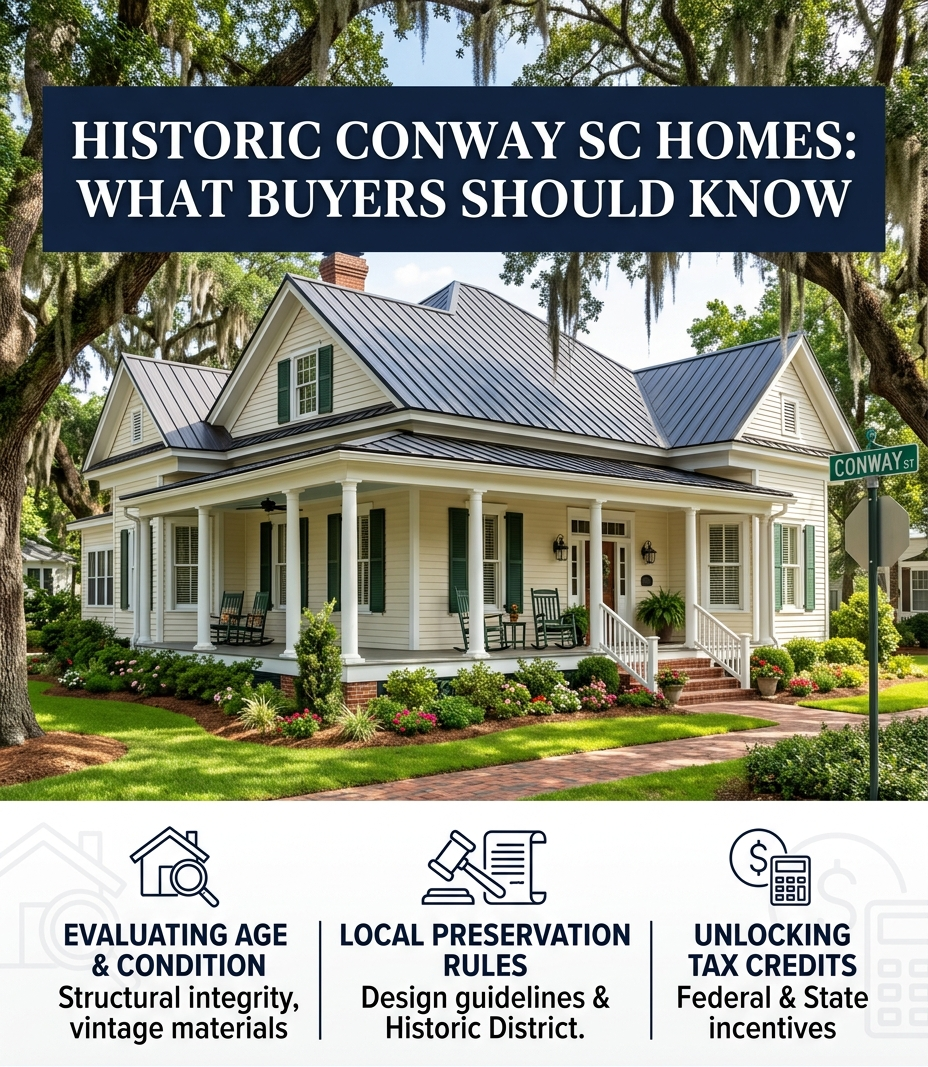
Historic Conway Homes: What Buyers Should Know

Few neighborhoods on the Grand Strand have the kind of personality you find in historic Conway. Tree-lined streets, mossy oaks, painted porches, and homes that have stood for a hundred years or more give this part of Conway, SC a feel that newer markets simply cannot replicate. Buyers fall in love with the charm quickly, but a historic home comes with realities that very different from buying new construction. Knowing what to look for, what to budget for, and how to evaluate the home's bones is the difference between a dream purchase and an expensive surprise.

Why Conway Is Unique

Conway is one of the oldest towns in South Carolina, and the historic core still wraps around the Waccamaw River and the original downtown grid. Walk a few blocks in any direction from Main Street and you will find homes from the late 1800s and early 1900s sitting alongside more recent infill construction. The mix gives buyers options at very different price points, but the homes that draw the most attention are the original Victorians, Craftsman bungalows, Folk Victorian cottages, and early 20th-century farmhouse-style homes that define the historic streets.

Buyers exploring Conway real estate often start in the historic district before expanding their search. Many fall for a specific home and adjust the rest of their criteria around it.

Understanding the Historic Home Buyer

The buyers who pursue historic Conway homes tend to be people who appreciate craftsmanship, character, and a lived-in feel. Some are local move-up buyers who have always wanted a downtown home. Others are out-of-state buyers relocating from places where character homes are far more expensive. A growing group are remote workers and creative professionals who love the walkable lifestyle and want a home with a story.

What unites them is patience. A historic home rarely appears at the exact moment a buyer is ready, and the right one is worth waiting for. Buyers who go in expecting move-in-perfection from a 1910 home are usually disappointed. Buyers who appreciate the work and rewards of stewardship tend to thrive.

Market Conditions for Historic Conway Homes

Demand for true historic homes in Conway, SC has remained steady. Inventory is naturally limited because so few of these homes come on the market in any given year. Well-restored homes near downtown often draw multiple offers, while homes that need significant work tend to sit longer because buyers and lenders both have to underwrite the project realistically.

Prices vary widely based on condition, original detail preserved, and proximity to the riverwalk and Main Street. A fully restored Craftsman with original heart-pine floors and updated systems will trade at a premium compared to a similar-sized 1960s ranch a few streets over. The market has historically rewarded buyers who restore thoughtfully, particularly when original details are kept intact.

Historic Homes in Conway SC What buyers need to know

Home Features That Matter

When evaluating a historic Conway home, certain features deserve extra attention:

  • Foundation and structure: Pier-and-beam foundations are common. They are not bad, but they need to be inspected by someone who understands them.
  • Original windows: Wavy single-pane glass is part of the charm. Storm windows or interior storms can preserve character while improving efficiency.
  • Plumbing and electrical: Galvanized pipes and knob-and-tube wiring may still exist in some homes and can affect both insurance and financing.
  • Roof and chimney: Older homes often have chimneys that are decorative more than functional. A roof inspection should also include flashing and rooflines that meet at unusual angles.
  • Original woodwork: Heart-pine floors, transom windows, pocket doors, and built-ins add real value and should be preserved when possible.

Costs, Risks, and Practical Considerations

Historic homes come with cost categories that newer-home buyers may not be used to. Insurance can require extra documentation, especially for homes with older wiring, plumbing, or roofs. Some lenders treat homes with knob-and-tube wiring or galvanized plumbing as conditions that have to be addressed before closing, which means budget needs to include either repair credits or post-closing renovation funds.

Renovations often require permits, and properties inside any locally recognized historic boundary may have additional architectural review steps for exterior changes. Buyers who plan to make significant exterior modifications should confirm those rules early so timelines line up with their expectations.

Pest inspections matter more in older homes than in new construction. Termites, carpenter ants, and powder-post beetles can do quiet damage in older wood structures, and a thorough WDO inspection should be part of every offer. Buyers planning lighter cosmetic updates rather than full restorations sometimes look at lower-maintenance options like Conway condos for comparison before committing to a historic home.

Local Lifestyle and Community Appeal

Living in a historic Conway home means living downtown, and that lifestyle is one of the biggest reasons buyers fall in love. Coffee on the front porch, walks along the riverwalk, dinner at a local restaurant, and weekend events at Riverfront Park all become part of normal life. Coastal Carolina University adds energy without overwhelming the small-town feel. Neighbors tend to know each other, watch out for each other, and take pride in the way their streets look and feel.

The community also values preservation. You will often see homeowners restoring porches, repainting Victorian trim, or rebuilding original carriage houses. That kind of investment in the streetscape is part of what keeps historic Conway desirable.

Strategy for Buyers

Buying a historic home in Conway, SC works best when buyers approach it as a two-part decision: the home and the project. The home decision is about lifestyle, location, and the specific character a buyer falls in love with. The project decision is about budget, time, and how much restoration the buyer is realistically prepared to take on.

Working with an experienced local agent helps with both. A good agent can tell you which streets are inside the most desirable historic blocks, which homes are likely to come up before they hit the public market, and which inspectors and contractors are trusted by other historic home owners. Buyers benefit from a clear walk-through of the buying process before making an offer, especially when financing involves renovation lending or older-home insurance considerations.

Key Takeaways

  • Historic Conway homes offer character and craftsmanship that newer construction cannot match.
  • Buyers should plan for older systems, pest inspections, and possible insurance or financing conditions.
  • Original details, including floors, woodwork, and windows, often add long-term value when preserved.
  • Renovations may require permits and possibly architectural review depending on location.
  • Patience pays off, since true historic inventory is limited and the best homes get attention quickly.

Frequently Asked Questions

Are historic Conway homes harder to insure?

They can be, especially if the home still has older wiring, galvanized plumbing, or an aging roof. Many insurers ask for documentation on the age and condition of major systems before issuing a full policy. Buyers should request quotes early in the due diligence period so they can budget accurately and address any required updates before closing.

Can I get a regular mortgage on a historic home in Conway?

Most historic Conway homes qualify for conventional financing, though lenders may require certain repairs or updates if the appraisal flags safety or habitability issues. For homes that need significant work, renovation loans such as a 203(k) or HomeStyle loan can roll the purchase and renovation costs into one mortgage.

Are there rules about renovating a historic home in Conway?

Properties inside Conway's historic district may be subject to architectural review for exterior changes such as siding, windows, porches, or additions. Interior work usually has fewer restrictions, but permits are still required for structural, electrical, and plumbing changes. Buyers planning renovations should confirm the specific district boundaries and review process before making an offer.

What inspections should I order on a historic home?

In addition to the standard home inspection, plan for a wood-destroying organism inspection, a sewer scope, and ideally a separate evaluation of any older wiring or plumbing. A roof and chimney inspection is also a good investment, especially for homes with original or older replacement roofs.

About Greg Harrelson

Greg Harrelson is a seasoned Realtor® with more than 30 years of experience serving the Myrtle Beach and Grand Strand markets. As the founder of Century 21 The Harrelson Group, Greg has built his career helping buyers, sellers, and investors achieve success in every corner of the coastal Carolina real estate market. His expertise spans residential homes, investment properties, land development, and coastal condos. Known for his deep local knowledge, innovative marketing strategies, and commitment to personal service, Greg consistently helps clients reach their real estate goals while navigating the ever-changing market with confidence and precision.
May 8, 2026

Why Horry County Continues to Attract Relocation Buyers

Horry County has quietly become one of the most popular relocation destinations in the Southeast, and the reason is no longer a secret. Buyers from New York, New Jersey, Pennsylvania, Ohio, and Michigan continue to make their way to coastal South Carolina in search of better weather, lower taxes, and a slower pace of life. Whether the move is driven by retirement, remote work, or a long-overdue lifestyle change, Horry County offers a rare combination of beach access, affordability, and small-town personality that is hard to find anywhere else on the East Coast.

Why Horry County Stands Out for Relocation Buyers

Most buyers begin their search by comparing the broader Grand Strand to other coastal markets. They quickly discover that Horry County, SC offers a wide range of housing styles at price points that simply do not exist in Florida or coastal North Carolina. From tidy ranch homes in established neighborhoods to brand-new construction in master-planned communities, the variety here is one of the strongest selling points for relocation buyers.

The cost of living also plays a meaningful role. South Carolina’s property taxes are among the lowest in the country for primary residents, and the state offers significant tax breaks for retirees on Social Security and other forms of qualified income. When you combine that with no estate tax and reasonable insurance compared to many Gulf Coast markets, the math for relocation buyers tends to work in their favor.

A Coastal Lifestyle Without the Florida Price Tag

The Atlantic coast in Horry County stretches from Little River down through North Myrtle Beach, Myrtle Beach, Surfside Beach, and into Garden City. That gives buyers access to roughly 60 miles of beach without the congestion and steep pricing of Florida. Many out-of-state buyers are surprised to learn they can purchase a quality single-family home a short drive from the ocean for less than they would pay for a small condo elsewhere on the Atlantic.

Buyers who want to live closer to the action can look at Myrtle Beach for resort-style communities and oceanfront condos. Those who prefer a quieter setting often gravitate toward Little River, where boating, fishing, and a small fishing-village feel still define everyday life. Either way, the proximity to the water shapes how people spend their weekends, and that lifestyle is one of the biggest reasons buyers stay once they make the move.

Why Horry County Continues to Attract Relocation Buyers

Diverse Communities for Different Lifestyles

One of the things that makes Horry County so attractive to relocation buyers is that it does not feel like one big city. It feels like a collection of distinct towns that each have their own personality.

Conway for Small-Town Charm

Conway, SC sits along the Waccamaw River and offers a walkable downtown, historic homes, and a strong community feel. Families relocating with children often choose Conway because the schools, parks, and slower pace make for an easier transition. Buyers who want to be close to the beach without paying coastal prices appreciate that they can drive to the ocean in under thirty minutes.

Myrtle Beach for Coastal Living

Myrtle Beach is the heart of the Grand Strand and the most recognizable name in coastal South Carolina real estate. Relocation buyers here find everything from oceanfront condos to single-family homes in golf course communities such as Grande Dunes, Carolina Forest, and Market Common. Retirees and remote workers especially love the access to dining, healthcare, and entertainment.

North Myrtle Beach and Little River for Boaters and Retirees

North of the action, North Myrtle Beach offers beach communities such as Cherry Grove and Ocean Drive that feel more residential and less touristy. Just inland, Little River draws relocation buyers who want canal homes, marina access, or quick connections to the Intracoastal Waterway. Both areas continue to attract retirees and second-home buyers.

What Relocation Buyers Should Know Before Moving

Coastal South Carolina living comes with its own set of practical considerations. Wind and hail coverage, flood zones, and HOA fees all behave a little differently here than in inland markets up north. Buyers moving from areas without hurricanes should plan to learn about insurance early in the process, since the right coverage and the right home age can affect monthly carrying costs significantly.

A few things worth thinking through:

  • Insurance: Wind, hail, and flood policies vary widely by zone and home age, and are usually separate from a standard homeowner policy near the coast.
  • Home age and construction: Older homes can be wonderful but may need updates to wind-resistant materials or roofing.
  • HOA and master-plan fees: Resort communities often have several layers of fees that cover amenities like pools, golf access, or beach parking.
  • Property taxes: Owner-occupied homes pay a much lower assessment ratio than second homes, which is important for second-home and investment buyers to plan around.

A good local agent will walk through these factors before you fall in love with a specific home, and that early conversation can save thousands over the life of the purchase.

Strategy for Buyers Coming From Out of State

The most successful out-of-state buyers in Horry County treat the search as a two-trip process. The first trip is for orientation. Visit several towns, drive between them, see how long the commute to the beach feels, and pay attention to noise, traffic, and the seasonal rhythm. The second trip is for serious shopping, with a sharper short list and a lender already in place.

Reading market data from a distance can be misleading. Two homes a few streets apart may sit in completely different flood zones, school districts, or HOA structures. Connecting with a Horry County agent who knows the day-to-day differences between Carolina Forest, Conway, Cherry Grove, and Little River makes that distance much less of a disadvantage. Many buyers also lean on an agent for help with the buying process so that everything from financing to inspections lines up smoothly with a long-distance closing.

Key Takeaways

Horry County continues to attract relocation buyers because it delivers a rare mix of coastal lifestyle, affordable real estate, and welcoming small-town communities. South Carolina’s tax structure and lower overall cost of living give buyers from northern and midwestern states more home for their money, while the geographic variety inside the county lets each buyer match their lifestyle to a town that fits. The most important takeaway is that planning ahead, understanding insurance and HOA realities, and working with a local agent who knows every corner of the Grand Strand will make a Horry County relocation feel less like a leap and more like a smart, supported move.

About Greg Harrelson

Greg Harrelson is a seasoned Realtor® with more than 30 years of experience serving the Myrtle Beach and Grand Strand markets. As the founder of Century 21 The Harrelson Group, Greg has built his career helping buyers, sellers, and investors achieve success in every corner of the coastal Carolina real estate market. His expertise spans residential homes, investment properties, land development, and coastal condos. Known for his deep local knowledge, innovative marketing strategies, and commitment to personal service, Greg consistently helps clients reach their real estate goals while navigating the ever-changing market with confidence and precision.

April 14, 2026

The Cost of Living in Conway vs. Myrtle Beach, SC: Which Is Right for You?

If you're considering buying, selling, or investing in South Carolina’s Grand Strand, understanding the cost of living is essential. Two of the most popular destinations—Conway and Myrtle Beach—offer very different lifestyles and price points, despite being just miles apart.

Whether you're relocating, retiring, or investing in rental property, this guide breaks down the real costs so you can make a confident decision.

Overview: Coastal Living vs. Small-Town Affordability

At a high level:

  • Myrtle Beach offers a vibrant coastal lifestyle, tourism-driven economy, and beachfront living.
  • Conway provides a quieter, more residential feel with generally lower housing costs.

For many buyers, the choice comes down to lifestyle vs. affordability.

Housing Costs: The Biggest Difference

Housing is the most significant factor in cost of living—and where these two markets differ the most.

Myrtle Beach Housing

  • Median home prices hover around $279,000–$318,000 depending on the source
  • Condos and beachfront properties drive demand
  • Housing costs are about 30% below the national average

Myrtle Beach remains relatively affordable for a coastal city, but demand from retirees, investors, and vacation buyers continues to push prices upward.

Conway Housing

Typically, 10–20% less expensive than Myrtle Beach

  • More single-family homes and larger lots
  • Less influence from short-term rental markets

Utilities & Insurance: Coastal Premiums Add Up

Living near the coast comes with added costs.

Myrtle Beach

  • Utilities are about 16–22% higher than the national average
  • Flood and wind insurance can significantly increase monthly expenses
  • HOA fees are common in condo and resort-style communities

Conway

  • Lower insurance costs due to inland location
  • Fewer HOA communities
  • More predictable monthly expenses

Groceries, Transportation, and Daily Expenses


Interestingly, everyday costs are fairly similar between the two areas.

Myrtle Beach

  • Groceries are about 3–4% higher than the national average
  • Transportation costs are slightly below average
  • Tourist demand can drive up seasonal prices

Conway

  • Slightly lower grocery and dining costs
  • Less traffic, reducing fuel and commute expenses
  • Fewer tourist-driven price fluctuations

Overall Cost of Living Comparison

  • Myrtle Beach cost of living is about 7% lower than the U.S. average
  • However, some reports place its cost index at 107 (slightly above average) depending on methodology
  • Conway is generally considered more affordable overall, especially in housing and insurance

Investment Potential: Where Should You Buy?

Myrtle Beach: Strong Rental Market

  • High demand for vacation rentals
  • Seasonal income opportunities
  • Popular among out-of-state investors

Conway: Long-Term Stability

  • Growing population and suburban expansion
  • Strong demand for primary residences
  • Lower entry price = higher potential ROI for buy-and-hold investors

Quality of Life: What Do You Get for Your Money?

Myrtle Beach

  • Beach access and ocean views
  • Entertainment, dining, golf, and nightlife
  • Higher traffic and seasonal crowds

Conway

  • Historic charm and slower pace
  • Riverfront scenery and local community feel
  • Easy access to Myrtle Beach (about 20–30 minutes away)

Final Verdict: Conway vs. Myrtle Beach

Choose Myrtle Beach if you:

  • Want coastal living and walkable beach access
  • Are investing in short-term rentals
  • Value lifestyle and amenities over lower costs

Choose Conway if you:

  • Want more affordable housing
  • Prefer a quieter, residential environment
  • Are focused on long-term living or rental stability

Bottom Line for Buyers, Sellers, and Investors

Both Conway and Myrtle Beach offer excellent opportunities—but for different reasons.

  • Buyers: Conway stretches your budget further
  • Sellers: Myrtle Beach demand can drive higher prices
  • Investors: Myrtle Beach = cash flow potential; Conway = lower risk and entry cost

If you're unsure which market fits your goals, working with a local real estate expert can help you identify the best opportunities based on current trends.

Posted in For Buyers
April 2, 2026

Top Family-Friendly Neighborhoods in Horry County, SC (2026 Guide)

If you're searching for the perfect place to raise a family along South Carolina’s Grand Strand, Horry County offers a wide range of communities that balance top-rated schools, safety, affordability, and lifestyle amenities. Whether you're a home buyer looking for your forever home, a seller positioning your property, or an investor targeting high-demand areas, understanding where families want to live is key.

This guide highlights the most family-friendly neighborhoods in Horry County—and why they stand out in today’s market.

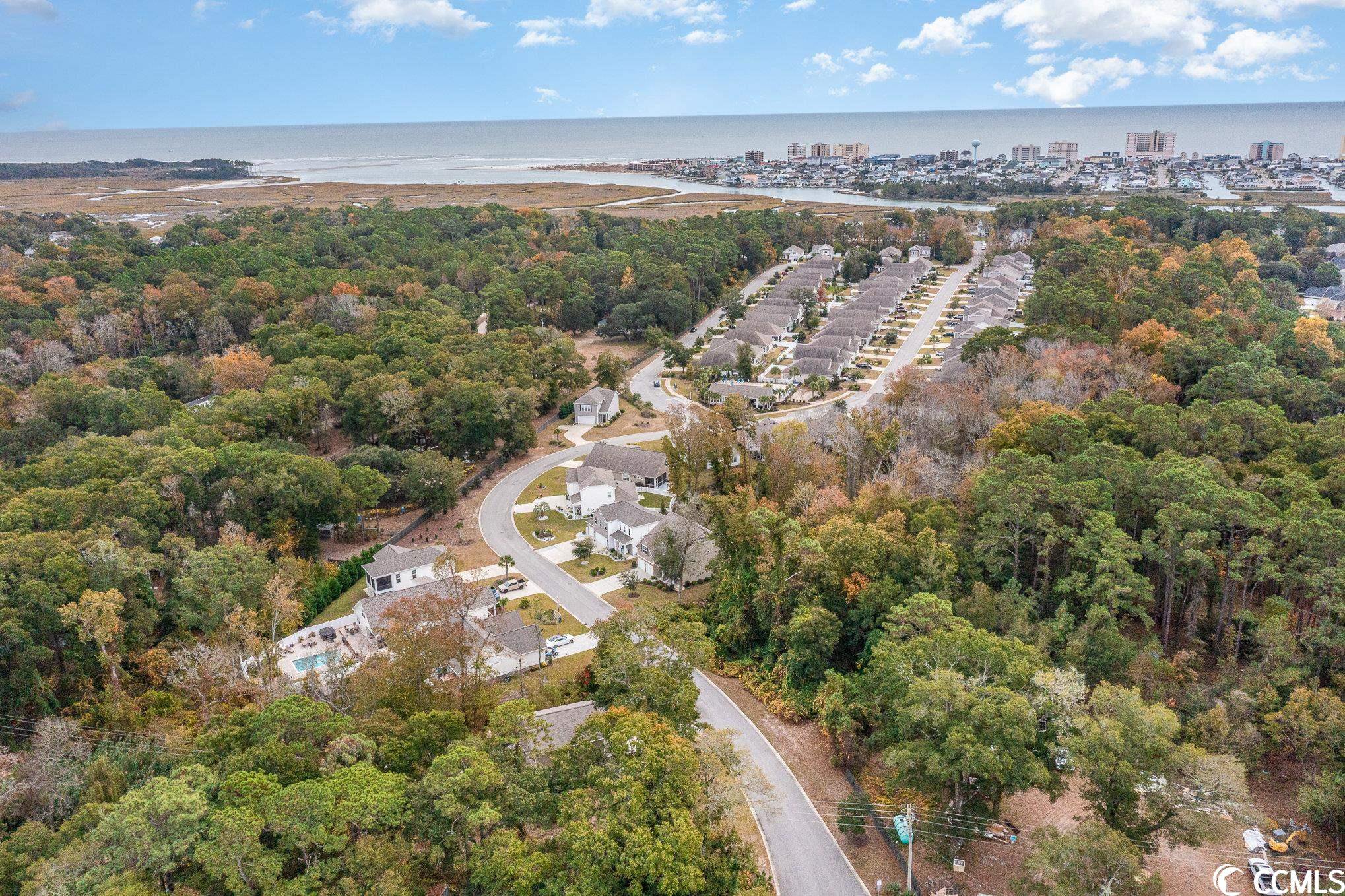
Scenic Aerial View of Waters Edge Horry County SC

Why Horry County Appeals to Families

Horry County continues to attract families thanks to its coastal lifestyle, growing job market, and diverse housing options. While overall safety varies by neighborhood, the county is generally considered a safe place to live with a strong A-grade safety rating in some areas.

Additionally:

  • Many neighborhoods feature planned communities with amenities (pools, parks, walking trails)
  • Access to highly rated schools is a major draw
  • A mix of new construction and established communities offers flexibility for buyers

1. Carolina Forest – The #1 Family Destination

Best for: School quality, master-planned living, resale value

Carolina Forest consistently ranks as one of the top choices for families relocating to Horry County—and for good reason.

What Families Love:

  • Zoned for high-performing schools in the county
  • Abundance of sidewalks, parks, and community amenities
  • Strong sense of community with HOA-managed neighborhoods

Real Estate Insight:

Carolina Forest offers a mix of price points, from starter homes to upscale properties, making it ideal for both first-time buyers and move-up families.

2. North Myrtle Beach – Coastal Living with a Suburban Feel

Best for: Beach access, quieter lifestyle, retirees + families mix

North Myrtle Beach is often preferred by families who want proximity to the ocean without the heavy tourism traffic of central Myrtle Beach.

Highlights:

  • More residential, less tourist-heavy environment
  • Access to family-friendly beaches and parks
  • Strong demand for vacation rentals and second homes

Investment Angle:

This area offers excellent opportunities for short-term rental income while still appealing to long-term residents.

3. Conway – Small-Town Charm with Growing Appeal

Best for: Affordability, historic charm, long-term growth

Located inland, Conway is one of the fastest-growing areas in Horry County for families seeking value and space.

Why It Stands Out:

  • Lower home prices compared to coastal areas
  • Historic downtown with shops and restaurants
  • Increasing popularity among first-time buyers and investors

Market Trend:

As coastal prices rise, Conway continues to benefit from spillover demand, making it a smart choice for long-term appreciation.

4. Socastee – Convenience Meets Affordability

Best for: Commuters, budget-conscious buyers

Socastee offers a strategic location near Myrtle Beach while maintaining relatively affordable housing options.

Key Benefits:

  • Close to major highways, schools, and shopping centers
  • Wide selection of new construction communities
  • Attractive for young families and working professionals

Consideration:

Like many areas in Horry County, safety and desirability can vary by subdivision—buyers should evaluate specific neighborhoods carefully.

5. The Market Common – Urban-Style Living for Families

Best for: Walkability, lifestyle amenities, modern homes

The Market Common is one of the most unique communities in Horry County, offering a walkable, mixed-use environment.

What Makes It Special:

  • Access to restaurants, shops, and parks within walking distance
  • Popular with young families and professionals
  • Close to top schools and recreational facilities

Seller Tip:

Homes in this area often command premium prices due to high demand and lifestyle appeal.

6. Murrells Inlet – Relaxed Coastal Living

Best for: Nature lovers, quieter coastal lifestyle

Just south of Myrtle Beach, Murrells Inlet offers a slower pace of life with strong appeal for families.

Features:

  • Known for its waterfront dining and outdoor recreation
  • Access to top-rated schools and natural attractions
  • Less congestion compared to central Myrtle Beach

Safety & School Considerations

Safety is a top priority for families—and in Horry County, it varies significantly by neighborhood.

  • Some areas in Myrtle Beach rank among the safest neighborhoods in the region, including Carolina Forest and Waterbridge
  • Overall county crime rates show property crime slightly below the national average, while violent crime is modestly higher

For buyers, this reinforces the importance of working with a local real estate expert who understands micro-market differences.


Final Thoughts

Horry County offers something for every type of buyer—from beachfront living to quiet suburban communities. Neighborhoods like Carolina Forest, North Myrtle Beach, and Conway continue to lead the way for families due to their combination of livability, affordability, and long-term investment potential.

If you're considering buying, selling, or investing in Horry County real estate, focusing on family-friendly neighborhoods is one of the smartest strategies for maximizing value and demand in today’s market.

Posted in For Buyers