Conway, SC Real Estate News 

Century 21 McAlpine Blog

The Agents and Staff at Century 21 McAlpine love our area and one another! We hope to share some of our daily activities with you and see how we might better serve our community!


May 26, 2026

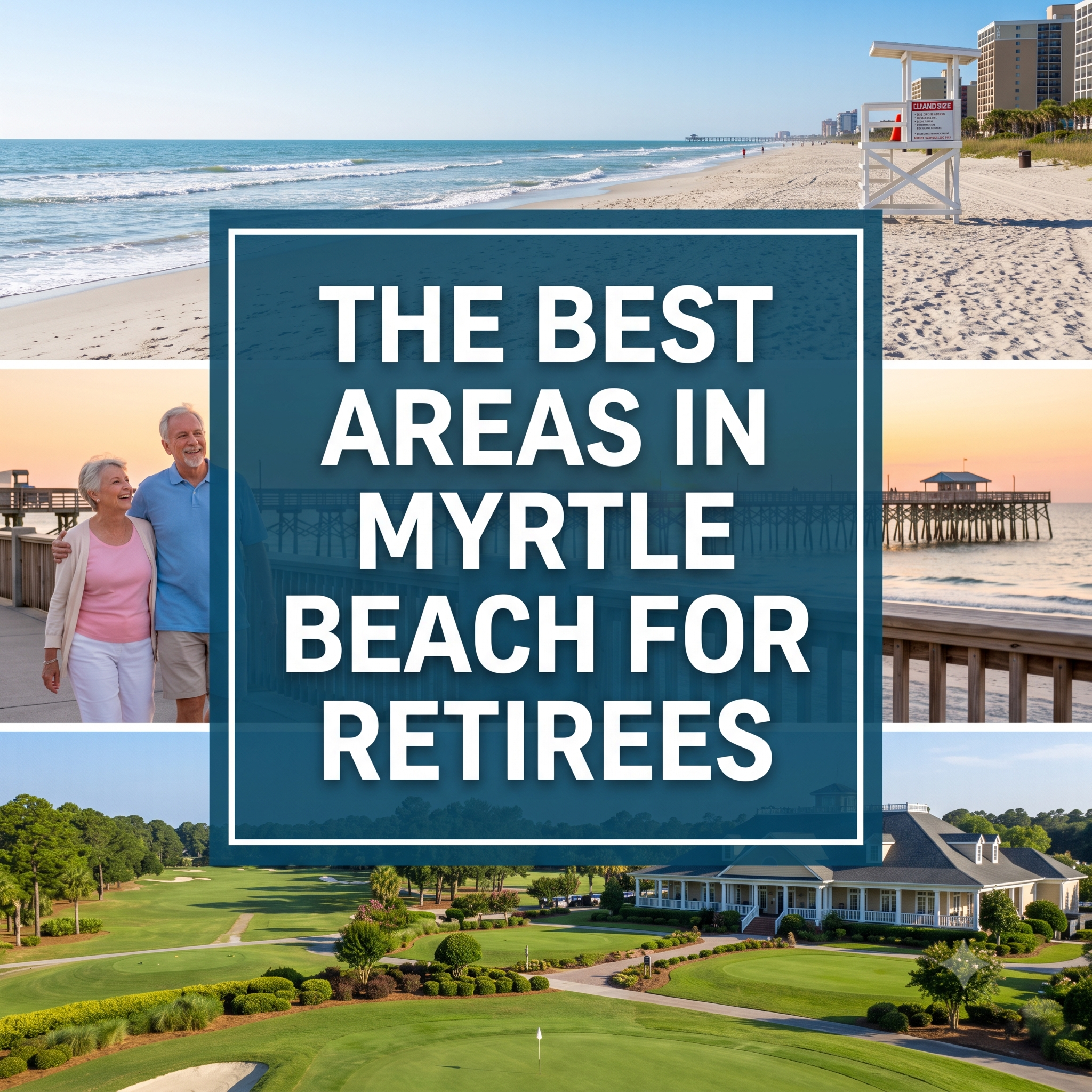
Best Myrtle Beach Communities for Full-Time Living

Myrtle Beach is famous as a vacation destination, but a quiet trend has been gaining momentum for years: a steady wave of buyers choosing Myrtle Beach as a full-time home. The lifestyle, the climate, the tax structure, and the surprising affordability compared to other coastal cities all play a role. Once a buyer commits to year-round living here, the question shifts quickly from whether to move to which community to choose. Each Myrtle Beach neighborhood has its own personality, and finding the right fit can make the difference between simply living near the beach and truly enjoying every day of it.

What Full-Time Buyers Look for in Myrtle Beach

Full-time buyers tend to weigh different factors than vacation or investment buyers. Most are looking for a quieter neighborhood feel, year-round neighbors, easy access to grocery stores and healthcare, and a setting that supports daily life rather than weekend tourism. Some want walkability. Others want a yard. Some want golf, others want low maintenance. The right Myrtle Beach community depends entirely on which version of full-time living feels like home.

Buyers exploring Myrtle Beach real estate with full-time living in mind often start by ruling out the busiest oceanfront tourist zones and then comparing several inland and coastal communities that have stronger year-round populations.

Carolina Forest

Carolina Forest is one of the most popular destinations for full-time buyers along the entire Grand Strand. The area is technically a large master-planned region with multiple neighborhoods, each with its own personality, amenities, and price points. Buyers find everything from starter homes to upscale custom homes, often within a few minutes of each other.

What makes Carolina Forest stand out is the day-to-day convenience. Grocery stores, schools, healthcare, and shopping are all close by. Many neighborhoods include pools, fitness rooms, and walking trails. The beach is a short drive away, but residents do not feel like they live in the middle of beach traffic.

Market Common

Market Common is the closest thing Myrtle Beach has to a true walkable urban neighborhood. Built around a town-center layout with shops, restaurants, parks, and a movie theater, Market Common appeals to buyers who want a low-car lifestyle without giving up beach access. Townhomes, condos, and single-family homes coexist within a few blocks of each other.

Full-time buyers in Market Common often appreciate the year-round events, dog parks, walking trails, and easy bike rides to the beach. The community has matured into a destination of its own.

Grande Dunes

Grande Dunes is the upscale Myrtle Beach community, with luxury homes, golf course living, marina access, and a private oceanfront beach club for residents. Full-time buyers here typically want a refined, low-stress lifestyle with high-end amenities just outside the front door. Custom homes, condos, and patio homes are all available within Grande Dunes, which gives buyers flexibility within the same overall community.

Buyers comparing higher-end options in the area often also look at Myrtle Beach homes in the $500,000 to $1,000,000 range across multiple neighborhoods before deciding.

Plantation Lakes

Plantation Lakes is a quieter, lake-oriented community inside Carolina Forest that often attracts full-time buyers who want water views without living on the ocean. The neighborhood is built around a 15-mile shoreline, and many homes back up to the lake. Boating, fishing, and walking trails are part of daily life.

Plantation Lakes appeals to families and retirees who want a peaceful setting, mature landscaping, and a stable year-round neighborhood feel.

Pine Lakes

Pine Lakes neighborhood sits closer to the heart of Myrtle Beach and offers older, established streets with a true neighborhood feel. Buyers who want larger lots, mature trees, and proximity to the ocean often look here. Some streets have homes from the mid-20th century, while infill construction has added newer custom homes alongside the originals.

Pine Lakes especially is rich in golf history, with the Pine Lakes Country Club anchoring the community. Full-time buyers love the central location and the connection to longer-term residents.

Cypress River Plantation and Withers Preserve

For buyers who want gated communities with a quieter feel, Cypress River Plantation and Withers Preserve are worth considering. Cypress River sits along the Intracoastal Waterway and offers larger lots, custom homes, and a private community marina. Withers Preserve, located near Market Common, blends walkable amenities with a more residential layout. Both attract full-time buyers who want amenities without resort-level activity.

Costs, Risks, and Practical Considerations

Full-time buyers in Myrtle Beach should think carefully about a few practical factors. Insurance varies significantly based on flood zone and elevation. HOA fees and master-association fees in larger planned communities can include multiple layers, so confirm the full monthly cost before falling in love with a specific home. Property taxes are very favorable for owner-occupied buyers, which is a meaningful advantage for full-time residents compared to second-home or investment buyers.

Healthcare access is strong, but proximity to specific specialists may influence which neighborhood feels right. Schools matter for families, and school zoning can vary inside the same general area, so confirming the assigned schools before making an offer is important.

Best Myrtle Beach Communities for Full-Time Living

Lifestyle and Community Appeal

What unites all of these communities is how livable Myrtle Beach feels once tourist season slows. Locals enjoy the beach without crowds, dine at restaurants that are easier to get into, and benefit from year-round community events that visitors rarely see. Many full-time buyers say it takes one quiet October or January to fall in love with the year-round version of life on the Grand Strand.

Strategy for Buyers

The best strategy for full-time buyers is to visit Myrtle Beach during the off-season at least once. Walk the streets of Market Common on a Tuesday afternoon. Drive through Carolina Forest at school pickup time. Sit at a coffee shop in The Bays. Eat dinner in Grande Dunes. The neighborhoods that fit your daily life will reveal themselves quickly. Once your short list is clear, a local agent who has closed deals in each of these communities can guide you through HOA differences, flood zones, and the long-term costs that make the biggest impact on full-time ownership. A clear walk-through of the buying process rounds out the planning.

Key Takeaways

Myrtle Beach has a much deeper full-time community than its vacation reputation suggests. Carolina Forest, Market Common, Grande Dunes, Plantation Lakes, The Bays, Pine Lakes, Cypress River Plantation, and Withers Preserve each offer a different version of year-round living. The right choice depends on whether you want walkability, golf, lake views, gated privacy, mature streets, or amenity-rich master planning. Visiting in the off-season and working with a local agent who specializes in these communities will help any buyer move into the version of Myrtle Beach that fits their daily life, not just their vacation.

About Greg Harrelson

Greg Harrelson is a seasoned Realtor® with more than 30 years of experience serving the Myrtle Beach and Grand Strand markets. As the founder of Century 21 The Harrelson Group, Greg has built his career helping buyers, sellers, and investors achieve success in every corner of the coastal Carolina real estate market. His expertise spans residential homes, investment properties, land development, and coastal condos. Known for his deep local knowledge, innovative marketing strategies, and commitment to personal service, Greg consistently helps clients reach their real estate goals while navigating the ever-changing market with confidence and precision.

May 25, 2026

Why North Myrtle Beach Continues to Attract Buyers

North Myrtle Beach has carved out a personality all its own along the Grand Strand. While its larger neighbor to the south gets most of the headlines, North Myrtle Beach quietly continues to attract a wave of buyers looking for a more residential beach experience. The combination of family-friendly neighborhoods, golf cart culture, and a vacation feel that never quite goes away has made it one of the most consistent real estate markets in coastal South Carolina.

Why North Myrtle Beach Is Unique

North Myrtle Beach is technically a single city, but most locals think of it as a collection of distinct sections that each have their own personality. Cherry Grove, Ocean Drive, Crescent Beach, and Windy Hill all share the same coastline, yet they feel different from one another. Cherry Grove draws boaters and second-home buyers with its iconic canal homes and saltwater marshes. Ocean Drive holds onto its shag dance heritage and tight-knit beach-town feel. Crescent and Windy Hill offer a quieter mix of single-family homes and condos.

Buyers exploring North Myrtle Beach real estate often start with one section in mind and end up considering several once they understand the differences. That variety, packed into a relatively small footprint, is one of the biggest reasons demand stays steady year after year.

Understanding the North Myrtle Beach Buyer

The buyers in this market tend to fall into a few familiar groups. Many are second-home buyers from the Northeast, Midwest, and Canada who use the property a few months each year and rent it the rest of the time. Others are retirees who fell in love with the area while vacationing and decided to make it home. A growing share are full-time residents who work remotely or commute to nearby Myrtle Beach for work, healthcare, or shopping.

What ties these buyers together is a preference for a residential beach experience over a resort one. They like that they can drive a golf cart to dinner, walk to the beach, and still feel like they live in a real neighborhood.

Market Conditions in North Myrtle Beach

The North Myrtle Beach market has stayed strong even as some other coastal markets have softened. Demand for canal homes in Cherry Grove, well-priced single-family homes near the beach, and updated condos with strong rental potential remains high. Builders have continued adding new construction inland, especially in Little River and the western edges of the city, which keeps inventory flowing.

Pricing varies significantly by section and proximity to the beach. Oceanfront condos and homes within a few blocks of the sand carry the strongest premiums, while inland neighborhoods often offer real value for buyers willing to drive a few minutes to the water.

Why North Myrtle Beach Continues to Attract Buyers

Home Features That Matter

Buyers in North Myrtle Beach pay close attention to a few specific features:

  • Elevation and flood zone: Raised beach homes and updated coastal construction help with insurance and long-term value.
  • Outdoor space: Decks, screened porches, and yards big enough for golf carts or boats are highly valued.
  • Garage and storage: Buyers planning for kayaks, paddleboards, or jet skis appreciate two-car garages and outbuildings.
  • Rental flexibility: Investors and second-home buyers look for layouts and locations that perform well as short-term rentals.
  • HOA and condo regimes: Reserves, recent assessments, and pet or rental rules matter just as much as the unit itself.

Buyers who want a quieter inland feel often look just across the line at Little River, where waterway access, marina living, and a small fishing-village feel still define the market. Those who want a busier resort lifestyle sometimes look south to Myrtle Beach for comparison.

Costs, Risks, and Practical Considerations

Owning a home this close to the ocean comes with a few extra layers of cost and planning. Wind, hail, and flood policies are typically separate from a standard homeowners policy, and rates vary based on the home’s elevation, age, and exact location. Older condo buildings can carry assessments tied to roof, balcony, or hurricane-related repairs, so reviewing recent meeting minutes and reserve studies before making an offer is one of the most important steps a buyer can take.

Local Lifestyle and Community Appeal

What buyers love most about North Myrtle Beach is how livable the lifestyle feels day to day. Mornings often start with coffee on the back deck or a quick beach walk. Weekends fill up with boating, fishing, kayaking through the marshes, and live music along Main Street. Golf is everywhere, and many residents pick a community based on cart-friendly streets and easy clubhouse access.

The community calendar also keeps things interesting. Festivals, classic car cruises, holiday parades, and shag dance events bring the whole town together. For families, parks and youth sports programs are strong, and the schools serve a stable population of full-time residents.

Strategy for Buyers

The smartest strategy in this market is to define your priorities before falling in love with a single section. A canal home in Cherry Grove offers a different lifestyle than an oceanfront condo near Main Street, and both feel different from a single-family home in Tilghman Estates. Buyers who get pre-approved early, schedule a focused tour of two or three target areas, and work with a local agent who knows the building-specific quirks tend to find the right fit faster.

Key Takeaways

  • North Myrtle Beach is made up of distinct sections, each with its own personality and price points.
  • Buyers include retirees, second-home owners, remote workers, and full-time residents.
  • Canal homes in Cherry Grove and oceanfront condos remain especially in demand.
  • Insurance, elevation, HOA reserves, and rental rules all deserve careful review.
  • Defining priorities early and working with a local agent helps buyers move quickly when the right home appears.

Frequently Asked Questions

Are golf carts really allowed on the streets in North Myrtle Beach?

Yes, golf carts are allowed on most local streets within North Myrtle Beach, as long as the cart is registered, the driver is licensed, and the cart is operated within the rules set by the city and South Carolina law. Many residents use carts as their main way to get to the beach, the grocery store, and local restaurants.

How are flood zones handled in North Myrtle Beach?

Homes in flood-prone zones typically require separate flood insurance, and rates can vary widely based on elevation, age, and FEMA designation. Recent updates to flood maps have shifted some homes into different zones, so buyers should always confirm the current zone and quote insurance during the due diligence period.

What should I check before buying a condo here?

Before buying a North Myrtle Beach condo, review the HOA financials, reserve study, recent assessments, and any pending litigation. Pay attention to rental rules, pet rules, and how the building is funded for big-ticket repairs like roofs, balconies, or hurricane damage. Strong reserves and a well-managed HOA usually translate into more predictable ownership costs over time.

Are short-term rentals allowed in North Myrtle Beach?

Most areas of North Myrtle Beach allow short-term rentals, though specific rules can vary by community or condo regime. Buyers planning to rent should confirm the exact rules in their target neighborhood or building, as some HOAs limit rental length, frequency, or pet policies.

About Greg Harrelson

Greg Harrelson is a seasoned Realtor® with more than 30 years of experience serving the Myrtle Beach and Grand Strand markets. As the founder of Century 21 The Harrelson Group, Greg has built his career helping buyers, sellers, and investors achieve success in every corner of the coastal Carolina real estate market. His expertise spans residential homes, investment properties, land development, and coastal condos. Known for his deep local knowledge, innovative marketing strategies, and commitment to personal service, Greg consistently helps clients reach their real estate goals while navigating the ever-changing market with confidence and precision.

Posted in For Buyers
May 22, 2026

Why Conway Is Popular With Retirees

If you have driven through Conway, SC on a quiet weekday morning, you have probably noticed how the pace feels different from the busier beach towns just down the road. That feeling is one of the biggest reasons retirees keep choosing Conway as the place to spend the next chapter of their lives. The town offers walkable streets, a friendly downtown, real community, and easy access to the Grand Strand when residents want a busier day at the beach. Add in South Carolina’s favorable tax structure and home prices that still leave room for travel and enjoyment, and it is no surprise Conway has become a quiet favorite for retirees from all over the country.

Why Conway Fits the Retiree Lifestyle

Conway has held onto its small-town character even as the rest of Horry County has grown. Tree-lined streets, the Waccamaw River, the historic downtown, and a slower pace combine to create the kind of setting many retirees have been looking for. Daily life feels manageable. Errands are quick, neighbors actually know each other, and the rhythm of the town encourages residents to spend time outside, in coffee shops, or at community events.

Buyers exploring Conway real estate often arrive expecting one kind of home and end up considering several. The mix of historic homes, suburban subdivisions, golf-course communities, and condos gives retirees real flexibility in how they want to live.

South Carolina’s Tax-Friendly Reputation

One of the most cited reasons retirees move to South Carolina is the state’s tax structure. Social Security income is not taxed by the state. Retirees over a certain age receive significant deductions on other forms of retirement income. Property tax assessments are very favorable for owner-occupied homes, especially after the homestead exemption kicks in. There is no state estate tax, and the overall cost of living is meaningfully lower than in many states retirees are leaving.

For households on a fixed income, these differences can be the deciding factor. Many retirees report that the same monthly budget stretches noticeably further once they settle in Conway.

Housing Options That Suit Retirees

Conway, SC offers a wider range of housing for retirees than buyers expect. A few of the most common preferences:

  • Single-level ranch homes in established neighborhoods, often with mature trees and quieter streets.
  • Low-maintenance villas and patio homes where the HOA handles exterior care.
  • Historic homes downtown for retirees who want walkability and character.
  • Golf-course communities for retirees who enjoy daily play or a steady social scene.
  • Low-maintenance condos for buyers who travel often or want a true lock-and-leave home.

Retirees focused on minimizing maintenance often start their search by exploring Conway condos alongside patio-home subdivisions to see what feels right for their day-to-day life.

Why Conway SC Is Popular With Retirees

Healthcare Access in Conway

Healthcare access is one of the most important factors for retirees, and Conway has steadily improved on this front. Conway Medical Center anchors the local healthcare network and continues to expand specialty services. The broader Grand Strand region adds additional hospitals, specialty clinics, and major hospital systems within a short drive. Many retirees who once had to travel hours for certain specialists now find the care they need close to home.

Pharmacies, primary care, dental, and outpatient services are all well represented in Conway itself, which keeps daily healthcare convenient.

Outdoor Living and the Waccamaw River

The Waccamaw River runs along the heart of downtown Conway and shapes much of the outdoor lifestyle here. The Riverwalk gives retirees an easy place to take a daily walk, meet friends, or watch boats pass by. Kayaking, fishing, and small-boat outings on the river are all popular. Riverfront Park hosts community events, music nights, and seasonal festivals.

For retirees who appreciate the outdoors but do not want to manage a large yard, Conway delivers an unusual balance. Personal property can stay small and simple while still giving residents access to natural settings within a few blocks of home.

Social Life and Community Engagement

Retirees often find a stronger sense of community in Conway than they expected. Local churches, clubs, and volunteer organizations welcome new residents, and Coastal Carolina University adds cultural offerings such as theater performances, athletic events, and visiting speakers. Restaurants and coffee shops downtown invite the kind of casual interaction that helps newcomers settle in quickly.

It is also common for retirees to join groups built around shared interests, including pickleball clubs, garden clubs, golf groups, book clubs, and historic preservation societies. The town is small enough for connections to form easily and large enough to offer real variety.

Easy Access to the Grand Strand

One of the most underrated benefits of retiring in Conway is the ability to enjoy the beach without living in the middle of beach traffic. Myrtle Beach is about a 25-minute drive from most parts of Conway, and the route covers a familiar stretch that residents come to know well. Grandchildren visits, beach days, dining at the Market Common, golf outings, and concerts in Myrtle Beach all become routine without becoming exhausting.

Retirees who once thought they had to live oceanfront often realize that a quiet home in Conway with easy access to the beach is the better long-term choice.

Costs, Risks, and Practical Considerations

Even in a retiree-friendly market like Conway, buyers should plan carefully. Wind and hail insurance can be required depending on the home’s location, and flood zones are a real consideration in some neighborhoods. HOA fees range widely depending on the type of community, and golf-course or amenity-rich communities may have multiple layers of fees. Buyers planning to downsize or simplify should also evaluate single-level layouts, accessibility features, and proximity to medical services as part of the overall decision.

Strategy for Retirees

The most successful retiree buyers in Conway, SC tend to focus on lifestyle first and the specific home second. They visit Conway during different seasons. They take time to drive between downtown, golf communities, and patio-home subdivisions to feel the differences. They sit at the riverwalk, eat at a local restaurant, and pay attention to how the day actually feels.

Once the right setting is clear, they work with a local agent who understands the inside details of each neighborhood. The agent helps with HOA review, flood-zone confirmation, single-level layout searches, and the practical pieces of relocation, including how insurance and property tax work for full-time residents.

Key Takeaways

  • Conway, SC blends small-town charm, walkable downtown, and easy beach access in a way few towns match.
  • South Carolina’s tax structure is very favorable for retirees, especially on Social Security and qualified retirement income.
  • Housing options range from historic homes to low-maintenance villas, condos, and golf-course communities.
  • Healthcare access has steadily improved, with Conway Medical Center plus broader Grand Strand options.
  • The Waccamaw River, parks, and community events give retirees a built-in outdoor and social lifestyle.
  • A local agent who specializes in retiree buyers makes the relocation process smoother and faster.

About Greg Harrelson

Greg Harrelson is a seasoned Realtor® with more than 30 years of experience serving the Myrtle Beach and Grand Strand markets. As the founder of Century 21 The Harrelson Group, Greg has built his career helping buyers, sellers, and investors achieve success in every corner of the coastal Carolina real estate market. His expertise spans residential homes, investment properties, land development, and coastal condos. Known for his deep local knowledge, innovative marketing strategies, and commitment to personal service, Greg consistently helps clients reach their real estate goals while navigating the ever-changing market with confidence and precision.

May 21, 2026

The Biggest Real Estate Trends Affecting Horry County in 2026

If you have been watching the Grand Strand market over the past few years, you have probably noticed that the headlines never stop. Horry County continues to be one of the most active real estate markets in the Southeast, and 2026 is shaping up to be a year of meaningful change rather than dramatic swings. Buyers, sellers, and investors are all watching the same shifts unfold, and understanding the biggest trends can help you make smart decisions instead of reacting to noise.

The Biggest Real Estate Trends Affecting Horry County in 2026

Sustained Out-of-State Demand

The single most powerful trend in Horry County real estate continues to be steady in-migration. Buyers from the Northeast, Midwest, and Mid-Atlantic continue to relocate to coastal South Carolina for the lifestyle, the climate, and the favorable tax environment. While the pace has cooled from the peaks of the post-pandemic surge, the underlying demand remains strong. That foundation is part of why the market here has stayed more resilient than many other coastal areas.

The result is a steady mix of full-time relocation buyers and second-home buyers showing up across the county. Some focus on the beach. Others zoom in on inland communities exploring Conway real estate and beyond. Either way, the buyer pool is broader than it has been in any year I can remember.

Inventory Normalization After Years of Tight Supply

Inventory levels have improved meaningfully compared to the tightest seller-friendly years. Buyers now have more options to compare, and sellers have to compete more intentionally on price, condition, and presentation. The shift is healthy. It means that strong homes still sell quickly when priced correctly, while overpriced or poorly prepared listings sit longer than they used to.

For sellers, this trend means going to market with a real strategy. For buyers, it means more breathing room to evaluate options without feeling like every offer has to win a bidding war.

New Construction Continues to Reshape the Map

Builders have been busy in Horry County, and 2026 is looking like another strong year for new construction. Carolina Forest, the western edges of Myrtle Beach, the Conway corridor, and the Longs and Loris areas continue to absorb new master-planned communities. Inventory of new homes at multiple price points helps keep buyers active, especially those moving from out of state who want lower-maintenance modern homes from day one.

Buyers comparing new construction with resale should weigh trade-offs carefully. Newer homes typically have lower repair costs early on but smaller yards and developing community amenities. Resale homes in established neighborhoods often offer larger lots, mature landscaping, and locations closer to the water. Working with a local agent who can run that comparison side by side keeps the choice clear.

Insurance and Flood Pricing Are Reshaping Affordability

One of the most important under-the-radar trends in coastal real estate is the continued evolution of insurance and flood pricing. Wind and hail policies, separate flood policies, and master condo policies have all moved over the past several years, and 2026 is no exception. Older oceanfront condos and homes in changing flood zones are most affected, while newer construction and inland properties tend to feel less of the pressure.

Buyers should plan to obtain real insurance quotes during due diligence rather than relying on rules of thumb. Sellers should be prepared for buyer questions about insurance and flood history, especially in Myrtle Beach and North Myrtle Beach oceanfront and waterway markets where these costs make a meaningful difference in monthly budgets.

Remote Work Continues to Push Demand Inland

Remote and hybrid work patterns have continued to influence buying decisions in Horry County. Buyers who once needed to live near a corporate office now prioritize quiet streets, dedicated home-office space, and reliable internet. That shift has supported strong demand in Conway, Carolina Forest, and the northern stretches of Horry County, where buyers can get more home for the money while still being a short drive from the beach.

This trend is also part of why land and acreage properties have stayed in demand. Buyers who want privacy, space, and a place for hobbies like gardening or building a workshop are willing to commute occasionally if it means a setting that supports the way they actually work and live.

The Condo Market Is Becoming More Sophisticated

Condo buying in Horry County has matured significantly. Buyers are paying closer attention to HOA reserves, building age, and recent special assessments than they ever have. Sellers in older oceanfront buildings are facing more questions about deferred maintenance. Investors are doing more due diligence on rental rules and short-term rental ordinances before pulling the trigger.

The healthiest buildings, with strong reserves, transparent boards, and recent capital improvements, are continuing to perform well. Buildings that have deferred maintenance or carry repeated special assessments are getting more scrutiny. The condo market in 2026 rewards homework.

Land and Acreage Demand Remains Strong

Land and acreage have quietly become one of the more interesting segments of the Horry County market. Buyers seeking privacy, the chance to build a custom home, or a place to keep horses, boats, or RVs continue to look at the corridors connecting Conway, Aynor, Loris, and Galivants Ferry. New construction lots in the Longs area also remain in steady demand.

For sellers of well-located acreage, the buyer pool has become broader and more national over the past several years. For buyers, the key is doing careful due diligence on zoning, septic, well water, and access before making decisions.

Strategy for Buyers and Sellers in 2026

The best strategy for buyers in 2026 is to be patient, prepared, and specific. Get pre-approved early. Choose two or three target areas based on actual lifestyle needs, not just price. Build a relationship with a local agent who knows the inside details of those areas. Walk through the buying process in detail before falling in love with a specific home, especially if you are coming from out of state.

The best strategy for sellers is to take pricing and presentation seriously. Inventory has loosened, buyers are more selective, and well-prepared homes still get strong offers. Working with an agent who has access to current local data and a real marketing plan will continue to be the difference between a fast sale and a stale listing.

Key Takeaways

  • Out-of-state demand continues to drive a meaningful share of Horry County activity in 2026.
  • Inventory has normalized, which gives buyers more breathing room and pushes sellers to compete on price and presentation.
  • New construction continues to expand in Carolina Forest, Conway, Longs, and Loris.
  • Insurance and flood pricing are now central to coastal affordability.
  • Remote work supports continued strength in inland Horry County and acreage properties.
  • The condo market is rewarding well-managed buildings and punishing deferred maintenance.
  • Buyers and sellers both benefit from local expertise and clear, data-backed strategy.

About Greg Harrelson

Greg Harrelson is a seasoned Realtor® with more than 30 years of experience serving the Myrtle Beach and Grand Strand markets. As the founder of Century 21 The Harrelson Group, Greg has built his career helping buyers, sellers, and investors achieve success in every corner of the coastal Carolina real estate market. His expertise spans residential homes, investment properties, land development, and coastal condos. Known for his deep local knowledge, innovative marketing strategies, and commitment to personal service, Greg consistently helps clients reach their real estate goals while navigating the ever-changing market with confidence and precision.

Posted in For Buyers
May 20, 2026

Myrtle Beach Condo Buying Tips for Beginners

Buying your first condo in Myrtle Beach is exciting, but it can feel a little overwhelming once you start comparing buildings, floor plans, and HOA documents. Condos along the Grand Strand range from beachside high-rises with rental programs built in to quiet inland communities designed for full-time living. The price tags look attractive compared to single-family homes, but the buying process is genuinely different. A little preparation goes a long way toward making sure your first condo is a property you actually love owning, not one you spend years trying to leave.

Why Myrtle Beach Condos Are Different From Single-Family Homes

The biggest mental shift for first-time condo buyers is understanding that you are not just buying a unit. You are also buying into a community, a building, and a financial structure called a regime or HOA. The unit itself usually represents only part of what determines your long-term experience. The roof, hallways, elevators, pool, parking lot, and exterior walls are owned in common with everyone else in the building, and how those shared parts are funded and maintained matters enormously.

That is why two condos with similar square footage and views can have very different ownership costs and long-term value. Buyers exploring Myrtle Beach real estate for the first time often start by sorting condos by price, when they should also be sorting by HOA health, building age, and intended use.

Decide How You Will Use the Condo

Before looking at listings, get clear on how the condo will fit your life. The right answer changes the kind of building you should be shopping in.

Full-time residents often prefer quieter buildings or low-rise communities a few blocks off the beach, where neighbors are mostly other owners rather than weekly renters. Second-home buyers tend to want a building close enough to the ocean that they can walk down for sunset, with strong on-site management. Investors looking for short-term rental cash flow usually focus on oceanfront resort buildings with rental desks, established booking history, and pet and amenity policies tourists like.

Each of these uses leads to different buildings, different price points, and different HOA structures, so getting clarity here saves a lot of time later.

Read the HOA Documents Like a Pro

The HOA package is where the real story of a condo lives. First-time buyers sometimes glance at the financial summary and skip the rest, but the most important details often hide deeper in the documents. A few things to look for:

  • Reserve study and reserve balance: A healthy reserve fund signals that big-ticket repairs are funded.
  • Recent and upcoming special assessments: Special assessments tell you what surprises owners have already absorbed and what may be coming.
  • Recent meeting minutes: Minutes show whether ongoing issues like leaks, balcony repairs, or insurance disputes are active.
  • Rental rules: Minimum stays, pet rules, and rental cap policies all impact resale and income potential.
  • Insurance coverage: Master policies vary in what they cover, which affects what your individual HO-6 policy needs to insure.

An experienced local agent can walk through these with you and flag the items that deserve harder questions before you remove your due diligence.

Pay Attention to Building Age and Construction

Coastal salt air, humidity, and storms work harder on condo buildings than they do on inland homes. Older oceanfront buildings can be wonderful, but they often have higher reserves, more frequent maintenance projects, and more expensive insurance. Newer buildings tend to have lower assessments early on, but they may not have built up significant reserves yet.

Mid-rise and low-rise buildings inland from the ocean usually fall somewhere in between. Their HOAs typically deal with simpler systems and lower repair costs, which can keep monthly fees more predictable. Buyers comparing higher-end buildings can also look at Myrtle Beach homes in the $500,000 to $1,000,000 range to see how condo and single-family pricing line up at the same price points.

Myrtle Beach SC Condo Buying Tips for Beginners

Plan for All the Costs, Not Just the Mortgage

The total monthly cost of owning a Myrtle Beach condo is rarely just principal and interest. A realistic budget includes:

  • HOA or regime fees, which can range from modest to substantial depending on amenities.
  • HO-6 insurance for everything inside your unit, including upgrades and personal property.
  • Property taxes, including the higher non-owner-occupied rate if it will not be your primary residence.
  • Utilities not included in HOA dues.
  • An annual reserve in your own budget for special assessments or rate increases.

Buyers who plan ahead for these line items rarely feel surprised after closing.

Use Financing That Fits Condo Realities

Condo financing has its own rules, and not every lender is comfortable with every building. Conventional loans are common, but FHA and VA loans require the building to be approved, which is not always the case for older oceanfront buildings. Investment-property loans on condos in rental programs may have stricter down payment and reserve requirements.

The cleanest path is to work with a lender who has financed condos in the specific building you are targeting. They can confirm warrantability, lay out the right loan options, and avoid surprises at the appraisal or underwriting stage. Your agent can almost always recommend two or three trusted lenders. A short conversation with them before falling in love with a unit makes the rest of the buying process much smoother.

Strategy for First-Time Condo Buyers

The buyers who enjoy their first Myrtle Beach condo most tend to do four things well. They get clear on how they will use the unit. They tour at least a handful of buildings rather than falling in love with the first one. They take HOA documents seriously and ask questions until they understand the answers. And they choose a local agent who has actually closed deals in the buildings they are considering. Each of these steps lowers the chance of buyer’s remorse and increases the odds that the condo becomes the easy, enjoyable home or investment you imagined.

Key Takeaways

Buying your first condo in Myrtle Beach is less risky than it looks if you treat it as a two-part decision: the unit and the building. Defining how you will use the condo, reading HOA documents carefully, paying attention to building age and reserves, and choosing the right financing partner will protect you from most surprises. The right condo can be a rewarding home, second home, or investment, but it almost always belongs to a building that has been honestly maintained and a community that runs its finances with care, so weight those factors as heavily as the view.

Frequently Asked Questions

What is the difference between an HOA and a condo regime?

In Myrtle Beach, the term regime is often used for the legal entity that governs a condominium building, while HOA is more common for community associations. Functionally they do similar work: collecting fees, maintaining shared property, and enforcing rules. Buyers should review whichever set of governing documents applies to the building they are considering.

How much should I budget for HOA or regime fees?

Fees vary widely by building. Smaller inland communities with limited amenities may charge a few hundred dollars a month, while older oceanfront high-rises with pools, elevators, beach access, and on-site staff often charge significantly more. The fee itself matters less than what it covers and whether reserves are funded properly.

Can I rent out my Myrtle Beach condo on a short-term basis?

Some buildings welcome short-term rentals and even include rental desks, while others restrict rentals to monthly minimums or longer. Before making an offer, confirm the exact rental rules in the governing documents and any local ordinances that apply.

Are special assessments common in Myrtle Beach condos?

They can happen, especially in older buildings and after major weather events. A well-funded reserve and recent maintenance projects are good signs that future assessments are less likely. Reviewing assessment history and the reserve study during due diligence helps you understand the building's track record.

About Greg Harrelson

Greg Harrelson is a seasoned Realtor® with more than 30 years of experience serving the Myrtle Beach and Grand Strand markets. As the founder of Century 21 The Harrelson Group, Greg has built his career helping buyers, sellers, and investors achieve success in every corner of the coastal Carolina real estate market. His expertise spans residential homes, investment properties, land development, and coastal condos. Known for his deep local knowledge, innovative marketing strategies, and commitment to personal service, Greg consistently helps clients reach their real estate goals while navigating the ever-changing market with confidence and precision.

May 19, 2026

Why Little River Appeals to Boat Owners and Retirees

Tucked along the Intracoastal Waterway just inland from the Atlantic, Little River, SC has quietly become one of the favorite landing spots for boat owners and retirees along the Grand Strand. The town has held onto its small fishing-village feel even as the rest of coastal South Carolina has grown rapidly. For buyers who want easy water access, a slower lifestyle, and a strong community without the resort crowds, Little River continues to deliver in ways that few other coastal towns can match.

Why Little River Is Unique

Little River sits right at the South Carolina and North Carolina border, with the Intracoastal Waterway running through the heart of town. Unlike the busier beach cities just south, Little River grew up around fishing, boating, and waterfront commerce, and that history still shapes the way the town feels today. You will find shrimp boats, charter fishing fleets, and family-owned waterfront restaurants alongside neighborhoods of waterway-access homes and cottages.

Buyers who explore Little River real estate are often surprised by how much waterway-oriented housing is available. Boat slips, dry storage, and direct waterway access are realistic options here, not just fantasies, and the marina culture is a big part of daily life.

Why Little River SC Appeals to Boat Owners and Retirees

Understanding the Little River Buyer

Buyers in Little River usually come from one of three groups. The first is boat owners who want quick access to the Intracoastal Waterway and the Atlantic. The second is retirees looking for a quieter version of coastal living, often after vacationing in the area for years. The third is value-driven buyers who love the proximity to North Myrtle Beach but appreciate the lower price points and slower pace they find here.

Many buyers cross-shop Little River with North Myrtle Beach before deciding. Those who want a beach-first lifestyle tend to choose North Myrtle Beach, while those who want a waterway-first lifestyle almost always pick Little River.

Market Conditions in Little River

The Little River market has been remarkably steady. Demand for waterway-access homes, boat-friendly properties, and well-located condos has stayed strong, and inventory tends to move quickly when priced correctly. New construction in the surrounding area has helped balance the market, but unique waterfront and waterway homes still command premiums because the supply is limited.

Pricing is generally more accessible than in oceanfront markets, especially for buyers willing to consider an inland home with shared marina access rather than a private dock. That price gap is one of the biggest reasons retirees and second-home buyers choose Little River over more expensive coastal options.

Home Features That Matter

Little River buyers tend to weigh waterway-related features more heavily than buyers in most other markets:

  • Boat access: Private docks, community boat ramps, and shared marina slips can change the value of a home significantly.
  • Outdoor living: Screened porches, decks with water views, and shaded backyards get heavy use most of the year.
  • Storage and garage space: Owners need room for boats, kayaks, fishing gear, and golf carts.
  • Single-level living: Many retirees prioritize ranch-style or first-floor primary bedroom layouts.
  • Low-maintenance exteriors: Vinyl siding, composite decking, and updated roofs reduce long-term upkeep, especially for second-home buyers.

Costs, Risks, and Practical Considerations

Owning a home near the water comes with a few costs that buyers should understand early. Wind, hail, and flood policies are usually separate from a standard homeowners policy, and rates can vary widely based on elevation and the home’s exact distance from the water. Marina-access communities may have multiple layers of HOA fees, including amenities, dock maintenance, and shared common areas. Buyers planning to keep a boat should also confirm whether dock maintenance, insurance, and storage fees are handled by the HOA or by individual owners. Walking through these details with a local agent and lender during the offer process keeps surprises to a minimum.

Local Lifestyle and Community Appeal

What buyers love most about Little River is how easy and unhurried life feels here. Residents start mornings on the dock, head out for a half day of fishing, return for lunch at a marina restaurant, and end the evening on the back porch listening to the sounds of the waterway. The annual Blue Crab Festival, World Famous Blue Crab Festival weekends, fishing tournaments, and live music at marina venues bring the community together throughout the year.

For retirees, the appeal goes beyond recreation. Healthcare options, grocery stores, and shopping are all close by, and the short drive to North Myrtle Beach gives residents access to bigger restaurants, shopping centers, and beaches without having to live in the middle of the activity.

Strategy for Buyers

Buyers shopping in Little River should start by deciding what kind of water access they actually want. A private dock home commands a much higher price than a community-access home, but it also delivers a different daily experience. Boat owners with smaller vessels may be just as happy with a marina slip and a low-maintenance condo, while bigger-boat owners often want a dock right behind the house. Working with a local agent who understands waterway depths, dock permits, and marina rules makes the search much more efficient. Buyers coming from out of state also benefit from a clear walk-through of the buying process so timing, financing, and inspections all line up smoothly.

Key Takeaways

Little River, SC continues to appeal to boat owners and retirees because it delivers something rare on the coast: a working waterway lifestyle paired with a strong sense of community and price points that still leave room to enjoy life. Buyers who want easy access to the Intracoastal Waterway, a slower pace, and the convenience of nearby North Myrtle Beach almost always come away impressed. The most important takeaway is that Little River rewards buyers who clarify their priorities early, especially around boat access, low-maintenance living, and HOA structure, and who work with a local agent who knows the inside details of each waterway-focused community.

About Greg Harrelson

Greg Harrelson is a seasoned Realtor® with more than 30 years of experience serving the Myrtle Beach and Grand Strand markets. As the founder of Century 21 The Harrelson Group, Greg has built his career helping buyers, sellers, and investors achieve success in every corner of the coastal Carolina real estate market. His expertise spans residential homes, investment properties, land development, and coastal condos. Known for his deep local knowledge, innovative marketing strategies, and commitment to personal service, Greg consistently helps clients reach their real estate goals while navigating the ever-changing market with confidence and precision.

Posted in For Buyers, Lifestyle
May 18, 2026

Ocean Drive vs. Cherry Grove: Which Area Fits Your Lifestyle?

If you have spent any time exploring North Myrtle Beach, you have probably noticed how different it feels from one section to the next. Two of the most popular areas, Ocean Drive and Cherry Grove, sit just a few minutes apart but offer two distinctly different lifestyles. Both are beloved, both have loyal full-time and second-home communities, and both have shaped the personality of the city over generations. The right choice between them really comes down to how you want to spend your days, and understanding what makes each section unique is the key to picking the home and the neighborhood that actually fit you.

Why North Myrtle Beach Has So Many Personalities

North Myrtle Beach is technically one city, but locals think of it as a string of distinct beach communities. Each section has its own street layout, its own beach access feel, and its own pace. Buyers exploring North Myrtle Beach real estate often arrive thinking the choice is one beach or another. They quickly discover that the choice is closer to picking between two different towns that happen to share the same coastline.

Ocean Drive sits in the central, historic heart of North Myrtle Beach, while Cherry Grove anchors the northern end and stretches into a network of saltwater canals. The geography alone shapes much of how daily life feels in each.

The Personality of Ocean Drive

Ocean Drive, often referred to as “OD” by locals, is the cultural heart of North Myrtle Beach. Main Street runs straight to the ocean, and the area carries a deep connection to the shag, the official state dance of South Carolina. Beach music venues, classic bars, and waterfront restaurants give Ocean Drive a social, walkable energy that buyers either love right away or know is not the right fit.

Most homes in Ocean Drive are on flat city blocks set back from a wide, open beach. You will find everything from older single-story cottages to fully renovated raised beach homes and oceanfront condos. The streets are golf cart friendly, and many residents do most of their daily errands without ever getting in a car. Buyers who choose Ocean Drive usually want easy access to dining, music, festivals, and the steady rhythm of a classic beach town.

The Personality of Cherry Grove

Cherry Grove sits at the northern edge of the city, where saltwater marshes weave between residential streets and form a network of canals leading to the Intracoastal Waterway. Most of the homes here are raised beach homes, many with private docks behind them. Boating, fishing, kayaking, and crabbing are part of the daily routine for a lot of residents, and the lifestyle leans toward outdoor recreation more than nightlife.

The beach in Cherry Grove feels different too. The pier is a local landmark, the foot traffic is generally lighter than around Main Street, and the sand stretches out into a wide, peaceful shoreline at low tide. Buyers who want a more residential, water-oriented lifestyle, especially boat owners and retirees, gravitate here. Many also cross-shop just inland in Little River when looking at canal homes and waterway access at slightly different price points.

Comparing the Daily Lifestyle

The clearest way to choose between these two areas is to picture an average week. In Ocean Drive, mornings might start with coffee on the porch, a short walk to the beach, errands by golf cart, lunch at a Main Street favorite, and an evening of live music at a waterfront venue. In Cherry Grove, mornings might start with the boat, a few hours fishing or shrimping, lunch at home, kayaking through the marsh in the afternoon, and a quiet sunset on the dock.

Both lifestyles are wonderful. They are simply different. Buyers who realize early which version of a beach week feels more like home tend to fall in love with their neighborhood faster.

Ocean Drive vs. Cherry Grove Which Area Fits Your Lifestyle

Home Features That Matter

Buyers shopping in either area should pay close attention to a handful of features:

  • Elevation and flood zone: Both Ocean Drive and Cherry Grove include homes in flood zones, and elevation impacts insurance and long-term value.
  • Boat access: Cherry Grove canal homes vary based on water depth, dock length, and bridge clearance to the open waterway.
  • Beach proximity: Ocean Drive homes are often valued by how many blocks they sit from the sand and the closest public access.
  • HOA or regime structure: Many condos and a few neighborhoods carry HOAs that affect rentals, pets, and exterior changes.
  • Rental potential: Investors should review both city rules and HOA rules before counting on short-term rental income.

Costs, Risks, and Practical Considerations

Coastal ownership in either area comes with insurance, flood, and HOA layers that buyers from inland markets often underestimate. Wind and hail policies, separate flood policies, and master condo policies are all part of a typical North Myrtle Beach budget. In Cherry Grove, homes with private docks may need additional coverage and ongoing maintenance for the dock structure itself. In Ocean Drive, older oceanfront condos may carry assessment risk tied to building maintenance, so reviewing recent meeting minutes and reserve studies is essential.

Property taxes also behave differently for owner-occupied buyers compared to second-home and investment buyers. Working through carrying costs with a local lender and agent before making an offer keeps the picture clear from day one.

Strategy for Buyers

The smartest buyers shopping these two areas spend a day in each before deciding. Walk Main Street in Ocean Drive in the late afternoon. Take a slow drive through the streets of Cherry Grove and stop near the marsh at sunset. Visit during a busy weekend and a quiet weekday. The two trips will tell you more than any spreadsheet ever could.

From there, work with a local agent who has closed in both areas. They can guide you through canal-specific issues in Cherry Grove, condo-specific issues along Ocean Drive’s oceanfront, and the rental rules that vary block by block.

Key Takeaways

  • Ocean Drive offers a walkable, social, classic beach-town lifestyle centered around Main Street and the wide open beach.
  • Cherry Grove offers a quieter, water-oriented lifestyle with canal homes, marsh access, and a strong boating culture.
  • Boat owners, retirees, and outdoor lovers often gravitate to Cherry Grove.
  • Buyers who want music, dining, and a lively beach-town feel often choose Ocean Drive.
  • Insurance, flood zones, HOA rules, and rental policies all deserve a careful review in both sections.

About Greg Harrelson

Greg Harrelson is a seasoned Realtor® with more than 30 years of experience serving the Myrtle Beach and Grand Strand markets. As the founder of Century 21 The Harrelson Group, Greg has built his career helping buyers, sellers, and investors achieve success in every corner of the coastal Carolina real estate market. His expertise spans residential homes, investment properties, land development, and coastal condos. Known for his deep local knowledge, innovative marketing strategies, and commitment to personal service, Greg consistently helps clients reach their real estate goals while navigating the ever-changing market with confidence and precision.

Posted in For Buyers, Lifestyle
May 15, 2026

Why Myrtle Beach Remains One of the Southeast's Hottest Markets

For more than a decade, Myrtle Beach has been one of the most talked-about real estate markets in the Southeast, and the momentum has not slowed down. Buyers from out of state continue to drive demand, primary residents continue to upgrade, and investors keep eyeing the long-term value of coastal South Carolina property. If you are watching the market and wondering what keeps Myrtle Beach so consistently strong, the answer is a blend of lifestyle, affordability, and steady population growth that very few coastal cities can match right now.

Why Myrtle Beach Is Unique

Myrtle Beach sits at the heart of the Grand Strand, with roughly 60 miles of coastline running from Little River south to Pawleys Island. That stretch of beach is paired with a rare combination of resort amenities, golf, dining, and entertainment that you simply do not find at this scale in many other coastal markets. The result is a city that functions as a year-round community, a vacation destination, and an investor-friendly market all at the same time.

Buyers exploring Myrtle Beach real estate are often surprised by how much variety they find. Oceanfront condos in iconic high-rises, single-family homes in master-planned communities like Carolina Forest, golf course homes in Grande Dunes, and walkable urban living near Market Common all coexist within the same city.

Market Conditions in Myrtle Beach

The Myrtle Beach market continues to outperform many comparable coastal cities for a few reasons. Population growth in Horry County has stayed strong, fueled by retirees and remote workers leaving more expensive states. Builders have responded with new construction at virtually every price point, which has helped keep inventory available even when buyer demand surges.

Pricing has cooled from the sharpest peaks of the past few years, but homes priced correctly still sell quickly. Buyers continue to find better value here than in comparable Florida or coastal North Carolina towns, and that price-to-lifestyle ratio is one of the biggest reasons Myrtle Beach has held its appeal.


Why Myrtle Beach Remains One of the Southeast's Hottest Markets

Understanding the Myrtle Beach Buyer

Several different buyer profiles drive activity in this market, and understanding which one you are can help focus your search:

  • Out-of-state relocation buyers seeking lower taxes, milder weather, and proximity to the coast.
  • Retirees looking for low-maintenance homes, strong amenities, and easy access to healthcare.
  • Second-home and vacation buyers wanting beach access and rental potential.
  • Investors targeting condos and short-term rental properties for cash flow and appreciation.
  • Local buyers moving up to larger homes, golf course communities, or oceanfront properties.

Each of these groups looks at the market through a different lens. A retiree shopping for a quiet single-level home will weigh HOA structure differently than an investor focused on rental flexibility, and a vacation-home buyer will care more about beach distance than about school zones.

Home Features That Matter

Buyers in Myrtle Beach pay close attention to a handful of features more than anything else. Outdoor living spaces, including screened porches and oversized patios, are highly valued because of how often they get used. Open floor plans appeal to buyers who plan to entertain or host visiting family. New or recently updated HVAC systems matter because of the long, humid summers. And for condo buyers, the building’s reserves, recent assessments, and on-site amenities can often outweigh the unit itself.

For higher-end buyers, the conversation shifts toward oceanfront views, luxury finishes, and gated communities. Shoppers exploring Myrtle Beach million dollar homes are typically comparing custom homes in Grande Dunes, oceanfront properties in the Golden Mile, and high-end golf course estates.

Costs, Risks, and Practical Considerations

Buyers should plan for a few costs that look different here than in inland markets. Wind and hail policies, separate flood insurance, and HOA or master-association fees are all part of the typical Myrtle Beach budget. Older oceanfront condos can come with special assessments tied to building maintenance, so reviewing the HOA financials early in the offer process is one of the most important steps a buyer can take.

Property taxes are very favorable for owner-occupied buyers in South Carolina, but second-home and investment buyers fall under a higher assessment ratio. Working through the long-term carrying cost picture before making an offer keeps surprises to a minimum.

Local Lifestyle and Community Appeal

Buyers stay in love with Myrtle Beach because of how easy life here can be. Residents wake up to ocean breezes, walk to beachfront cafes, golf year-round on more than 60 courses, and enjoy a calendar full of events from spring through fall. Healthcare options have expanded significantly, dining choices keep getting more interesting, and shopping districts like The Market Common offer the convenience of a small city without the congestion.

The lifestyle is what closes the deal for most buyers, especially those moving from the Northeast or Midwest. Once they spend a few months here, they rarely look back.

Strategy for Buyers

The most successful Myrtle Beach buyers do three things well. They get pre-approved early so they can move quickly when the right home appears. They learn the differences between the major sub-markets, since Carolina Forest, the Golden Mile, Market Common, and Grande Dunes feel very different and serve different buyers. And they lean on a local agent who can flag the issues that out-of-area buyers often miss, including HOA red flags, flood-zone changes, and quirks in condo regimes. A clear understanding of the buying process from offer to closing also helps long-distance buyers avoid timing problems.

Key Takeaways

Myrtle Beach remains one of the hottest markets in the Southeast because it offers a powerful combination of coastal living, strong inventory, attractive pricing, and consistent population growth. The variety of communities lets each buyer find a setting that matches the way they actually want to live, whether that means oceanfront condo life, golf course living, or a quiet single-family home in Carolina Forest. Buyers who plan ahead, get pre-approved, and work with a local agent who understands the day-to-day differences between Myrtle Beach neighborhoods will find this market not just exciting, but very rewarding to buy in.

About Greg Harrelson

Greg Harrelson is a seasoned Realtor® with more than 30 years of experience serving the Myrtle Beach and Grand Strand markets. As the founder of Century 21 The Harrelson Group, Greg has built his career helping buyers, sellers, and investors achieve success in every corner of the coastal Carolina real estate market. His expertise spans residential homes, investment properties, land development, and coastal condos. Known for his deep local knowledge, innovative marketing strategies, and commitment to personal service, Greg consistently helps clients reach their real estate goals while navigating the ever-changing market with confidence and precision.

Posted in For Buyers
May 14, 2026

Why Longs, SC Continues to Grow Rapidly

Longs, South Carolina was once one of the quietest corners of Horry County. Drive through it ten years ago and you would see open fields, country roads, and a handful of long-established neighborhoods. Today, Longs is one of the fastest-growing communities along the Grand Strand. New construction is popping up across the area, buyers are arriving from across the country, and prices have steadily climbed while still feeling like a value compared to coastal towns just a short drive away. Understanding why Longs is growing so quickly will help any buyer or seller make smarter decisions in this rapidly evolving part of Horry County.

Why Longs Is Unique

Longs sits just inland from North Myrtle Beach, with quick access to the beach, the Intracoastal Waterway, and the rest of Horry County. The geography is part of what has made it so attractive. Buyers can enjoy the lifestyle of coastal South Carolina without paying the prices that come with living directly on the water or close to Main Street. Larger lots, newer construction, and more home for the money keep showing up at the top of buyer wish lists.

Buyers exploring Longs real estate often start their search expecting a small inventory and quickly realize that the area has become a hub for new neighborhoods, planned communities, and value-oriented housing.

Demand From Out-of-State Buyers

A meaningful share of the buyers driving Longs growth are coming from out of state. Many start their search in North Myrtle Beach, fall in love with the area, then discover that Longs offers a similar lifestyle at noticeably lower price points. Some are retirees looking for low-maintenance new construction. Others are families seeking yards and quiet streets. Remote workers continue to play a role as well, since proximity to the beach matters more than proximity to a corporate office.

The result is a buyer pool that is broader and more national than it was even five years ago, and that demand continues to support sustained growth in the area.

New Construction Driving the Map

Longs has become one of the most active new-construction markets in Horry County. National and regional builders have launched community after community offering single-story plans, two-story plans, and a range of price points designed for both first-time buyers and retirees. Many neighborhoods include amenities such as pools, clubhouses, fitness rooms, and walking trails.

Buyers comparing new construction options should pay attention to the differences between builders, the size of completed phases versus future phases, and the long-term plan for amenities. A community that is still building its pool today will feel different in a few years once that pool is in regular use.

Affordability Compared to Coastal Markets

One of the most important reasons Longs is growing is simple math. Buyers can typically get more square footage, a newer home, and a larger lot in Longs than in oceanfront sections of Myrtle Beach or North Myrtle Beach for the same money. The beach is still close enough to enjoy. The lifestyle of coastal South Carolina is still very much in reach. The trade-off is a short drive instead of an oceanfront view, and many buyers are happy to make that trade.

For buyers shopping in Longs versus Conway real estate, the comparison often comes down to lifestyle preferences. Conway offers a historic downtown and river-oriented charm. Longs offers more new construction, more amenity-rich master-planned neighborhoods, and quicker access to the beach.

Lifestyle and Community Appeal

Daily life in Longs is calmer than it is in the busier beach towns. Most residents drive to the beach, shopping, or restaurants rather than walking. That sounds like a downside until you experience how quiet the streets are at night, how easy parking is at the grocery store, and how friendly the new-construction neighborhoods feel as buyers move in around the same time. Many communities are organizing into real neighborhoods quickly, with regular events, social groups, and active resident pages.

For retirees, Longs offers a balance of independence and community. For families, it offers school options, parks, and yards. For second-home buyers, it offers low-maintenance homes a short drive from the sand. That range is part of why growth shows no sign of slowing.

Home Features That Matter

Buyers shopping in Longs should pay close attention to a handful of features:

  • Single-level layouts: Demand for first-floor primary bedrooms is high, especially among retirees.
  • Outdoor living: Screened porches, extended patios, and lanais are valued because of how often they get used.
  • Storage and garages: Buyers often want room for golf carts, kayaks, or workshop space.
  • Lot premiums: Premium lots on water, woods, or a quieter cul-de-sac can hold their value better over time.
  • HOA structure: Communities vary from very low fees to amenity-rich packages, so confirm what is included.

Why Longs, SC Continues to Grow Rapidly

Costs, Risks, and Practical Considerations

Even in a value-driven market like Longs, buyers should plan carefully. Insurance is generally less expensive inland than directly on the coast, but flood zones still affect parts of the area. Septic systems are common in some neighborhoods rather than city sewer, so confirm the setup of the home you are considering. HOA fees vary widely depending on amenities, and master-planned communities may include several layers of fees. Builder incentives can be meaningful in new construction, but they often come with specific lender or closing-cost terms, so review the fine print with your agent and lender.

Strategy for Buyers and Sellers

The most successful buyers in Longs do two things well. They tour several builders and several phases to see what feels right. They also look at resale options in established Longs neighborhoods to compare lot size, mature landscaping, and value against new construction. The right answer is different for every buyer, and the comparison itself is a useful step.

Sellers in Longs face a competitive but healthy market. New construction nearby keeps pricing realistic, so the homes that sell quickly and at strong prices tend to be well prepared, professionally photographed, and priced based on actual current data. A clear walk-through of the buying process for incoming buyers also helps sellers anticipate the offers they are likely to receive.

Key Takeaways

Longs, SC continues to grow rapidly because it delivers exactly what many buyers want right now: new construction, larger lots, lower price points than coastal markets, and a short drive to the beach. The buyer pool is broader and more national than it has ever been, and the area offers a strong mix of retiree-friendly communities, family neighborhoods, and second-home options. Whether you are buying or selling, the smartest move is to work with a local agent who knows the active builders, the established neighborhoods, the HOA differences, and the everyday details that shape life in this corner of Horry County.

About Greg Harrelson

Greg Harrelson is a seasoned Realtor® with more than 30 years of experience serving the Myrtle Beach and Grand Strand markets. As the founder of Century 21 The Harrelson Group, Greg has built his career helping buyers, sellers, and investors achieve success in every corner of the coastal Carolina real estate market. His expertise spans residential homes, investment properties, land development, and coastal condos. Known for his deep local knowledge, innovative marketing strategies, and commitment to personal service, Greg consistently helps clients reach their real estate goals while navigating the ever-changing market with confidence and precision.

Posted in For Buyers
May 13, 2026

Why Conway Continues to Attract Homebuyers Seeking Small-Town Charm

If you have spent any time exploring the Grand Strand, you have probably noticed how different Conway feels from the busier beach towns just down the road. Conway, SC has held onto its small-town personality even as the rest of Horry County has grown rapidly, and that quiet charm is exactly what continues to draw new homebuyers here. Buyers who want walkable streets, character-filled neighborhoods, and a real sense of community are choosing Conway in steady numbers, and the demand is showing no signs of slowing down.

Why Conway Is Unique

Conway is one of the oldest towns in South Carolina, and that history shows up everywhere. Tree-lined streets, mossy oaks, and a riverwalk along the Waccamaw River give the downtown a feel that simply does not exist in newer beach towns. Locals gather at small cafes, family-owned restaurants, and seasonal events that tie the community together.

What makes Conway, SC unique for homebuyers is the layered mix of housing styles. You can still find a charming early-1900s home a few blocks from downtown, then drive ten minutes and tour brand-new construction in a planned community. That range gives buyers more flexibility than they typically expect when they first start looking at Conway real estate.

Understanding the Conway Buyer

The buyers who fall in love with Conway tend to share a similar wish list. Many are families looking for good schools and a slower pace. Others are retirees who want to be close enough to the beach for easy day trips, but far enough away to skip the seasonal traffic. A growing share are remote workers who appreciate that they can settle into a quieter neighborhood, work from home, and still meet friends downtown for dinner.

It is also common to see out-of-state buyers who originally planned to move to Myrtle Beach decide on Conway instead once they see the homes, the prices, and the way the town feels day to day. That shift has become one of the most consistent trends in the local market.

Market Conditions in Conway

Conway has been one of the steadier markets in Horry County. While the broader Grand Strand sees more dramatic swings tied to vacation demand, Conway tends to move at a more even pace because most buyers here are buying for full-time living. Inventory has improved compared to the sharpest seller-friendly years, and well-priced homes still draw strong interest, especially when they are move-in ready.

Buyers should expect competition for unique properties such as historic downtown homes, riverfront lots, and updated homes priced under the median. Standard suburban homes in newer subdivisions tend to give buyers more room to negotiate, especially when builders have inventory to move.

Home Features That Matter

Conway buyers tend to weigh a few features more heavily than buyers elsewhere along the coast.

  • Outdoor living: Screened porches, large patios, and shaded backyards are highly valued because of how often they get used.
  • Lot size: Many buyers move to Conway specifically for more land, so larger lots and acreage homes attract premium attention.
  • Storage and garages: Buyers planning for boats, golf carts, or workshops look for two-car garages and outbuildings.
  • Move-in condition: With so many older homes in the area, updated kitchens, baths, and HVAC systems make a meaningful difference in offer price.

Buyers focused on lifestyle perks such as lower-maintenance living often look at Conway condos instead. Golf-focused buyers usually start their search around the Conway golf course communities, where the pace, amenities, and price points line up well for retirees and second-home buyers.

Local Lifestyle and Community Appeal

Living in Conway, SC has a rhythm that buyers either fall in love with right away or grow into over time. The Waccamaw River shapes much of that rhythm. People kayak in the morning, walk the riverwalk in the evening, and meet for music or food festivals on weekends. Coastal Carolina University adds energy with games, theater, and visiting speakers, while local boutiques, antique shops, and family-owned diners give downtown its identity.

Families especially appreciate the access to outdoor activities, including parks, sports fields, and short drives to the beach. Retirees enjoy the ease of running errands, getting to medical appointments, and being part of a community where neighbors actually know each other. Even buyers coming from larger metro areas tell us they adjust to Conway faster than they expected.

Why Conway continue attract Home Buyers

Strategy for Buyers

The best advice for buyers shopping in Conway is to be patient about the right home rather than the right town. Most buyers know within a single visit that Conway is where they want to be. The harder decision is choosing between historic, suburban, golf community, or acreage living, since each one offers something very different.

Working with an agent who knows the inside of Conway neighborhoods makes a real difference. Some streets have flood considerations, others sit in HOA-managed communities with very different fee structures, and a small handful of subdivisions have building restrictions that affect resale. A local agent can guide buyers around those small but important details.

Key Takeaways

  • Conway, SC has kept its small-town character even as the rest of Horry County has grown.
  • Buyers can choose from historic downtown homes, suburban subdivisions, acreage, golf course communities, and condos.
  • The market here moves more steadily than coastal areas because most buyers are buying for full-time living.
  • Outdoor space, lot size, storage, and updated systems matter most when comparing homes.
  • Working with a local Conway agent helps buyers navigate flood zones, HOA differences, and neighborhood-specific quirks.

About Greg Harrelson

Greg Harrelson is a seasoned Realtor® with more than 30 years of experience serving the Myrtle Beach and Grand Strand markets. As the founder of Century 21 The Harrelson Group, Greg has built his career helping buyers, sellers, and investors achieve success in every corner of the coastal Carolina real estate market. His expertise spans residential homes, investment properties, land development, and coastal condos. Known for his deep local knowledge, innovative marketing strategies, and commitment to personal service, Greg consistently helps clients reach their real estate goals while navigating the ever-changing market with confidence and precision.