Conway, SC Real Estate News 

Century 21 McAlpine Blog

The Agents and Staff at Century 21 McAlpine love our area and one another! We hope to share some of our daily activities with you and see how we might better serve our community!


June 9, 2026

What Buyers Should Know About Septic Systems in Rural Areas

If you've been shopping rural homes in Horry County — Aynor, Loris, Galivants Ferry, the back roads off Highway 905, or the deeper pockets of Longs — odds are good the property runs on septic, not city sewer. I've watched a lot of out-of-state buyers learn this the hard way during the inspection period. It's not a deal-breaker, but it is a real piece of due diligence that I want every rural buyer to understand before they sign anything. After three decades of writing offers out here, here's what I tell people.

Why Septic Is the Norm This Far Inland

City sewer reaches only as far as the utility lines do, and in rural Horry County, that's usually not far. The infrastructure cost of running municipal sewer to a property that sits a mile off the main road just doesn't pencil out. So the home was built with its own underground treatment system — a septic tank and a drain field — and that's what you're buying.

Septic isn't a problem; it's a system. Properly designed, installed, and maintained, a septic system can run quietly for thirty years or more. Poorly maintained or undersized for the home's actual usage, it can fail in ways that are expensive and disruptive. Most of the rural homes I sell in Aynor real estate and Loris real estate are on systems that work fine, but I treat every septic-served property as a separate inspection conversation.

How a Septic System Actually Works

Wastewater leaves the house and enters a buried tank. Solids settle. Liquids flow out into a drain field, where they percolate down through the soil and get treated by the surrounding ground. The tank needs periodic pumping. The drain field needs to stay free of compaction and root intrusion. The soil needs to drain at a usable rate.

The size of the tank is matched to the number of bedrooms in the home, not the square footage. A three-bedroom home requires a smaller tank than a five-bedroom home. If a previous owner added a bedroom without permitting the septic upgrade, the system is now undersized and that becomes the buyer's problem.

The Inspection That Matters

A standard home inspection does not include a septic inspection in most cases. It's a separate scope, often called a septic dye test, septic load test, or full pump-and-inspect. The price runs roughly $300 to $600 depending on the inspector and whether they pump the tank as part of the visit.

What I want a septic inspection to confirm:

  • - Tank size matches the bedroom count
  • - Tank baffles and lids are intact
  • - Drain field shows no surface saturation or odor
  • - System handles a real water load without backing up
  • - Permits and as-built drawings are on file with DHEC if the home is newer

I tell buyers to insist on this inspection even when the seller swears the system was just pumped. Pumping the tank is maintenance. Inspecting the system is diagnosis. The two are different conversations.

Real Costs Buyers Should Plan For

Maintenance: pumping a residential septic tank every three to five years runs $300 to $500. Skip it for ten years and you risk a clogged tank and a backed-up drain field, which is when costs jump fast.

Repairs: a baffle replacement might be $200 to $500. A new tank lid is similar. A new tank itself can run $2,500 to $5,000 depending on size and access.

Drain field replacement: this is the expensive one. A full drain field replacement on a typical residential lot in this market runs $8,000 to $25,000, with the upper end hitting homes in tight lots or wet soil. This is the cost that turns a routine septic into a real budget event.

Conversion to a pumped or aerobic system: if the soil doesn't perc well, a conventional gravity drain field won't work and the home needs a more complex system that uses a pump. Those systems carry higher install costs and an electric bill, plus annual service contracts.

What Buyers Should Know About Septic Systems in Rural Areas

What Affects Septic Resale Value

Buyers price septic-served homes differently than sewer-served ones, but the gap is smaller in rural areas where everyone is on septic anyway. The discount shows up most when:

  • - The system is at the end of its expected life
  • - The drain field shows visible issues during the inspection
  • - The tank is undersized for the bedroom count
  • - The home has been added onto without permitting the septic upgrade
  • - The lot's soil drainage is marginal

On the other hand, a recently installed system with permitted as-built drawings and a clean inspection actually adds value because the next buyer sees it as one less unknown. I've had sellers in Longs real estate pull a clean recent septic inspection out of a file folder at closing, and the buyer's anxiety dropped immediately.

Two Things I Tell Every Rural Buyer About Septic

First, ask for the permit and as-built drawing. SCDHEC files include the original permit, the soil percolation test, and a drawing of where the tank and drain field sit on the property. That paperwork tells you what you're really buying. If it doesn't exist, the system was either installed before records, or installed without permits — and both are worth knowing before closing.

Second, walk the property after a heavy rain. If you can manage to visit a candidate house the day after a real downpour, do it. Saturated yards, soft spots over the drain field, or pooled water above the tank all tell you more than any inspection report can.

Key Takeaways

  • - Most rural Horry County homes — Aynor, Loris, Galivants Ferry, deeper Longs, back roads off 905 — run on septic, not city sewer
  • - Septic is a fine system when designed correctly and maintained, but tank size, drain field condition, and soil drainage all matter
  • - A septic-specific inspection ($300-$600) is separate from a standard home inspection and worth insisting on
  • - Routine pumping every 3 to 5 years costs $300 to $500; drain field replacement can run $8,000 to $25,000
  • - An undersized tank (often from an unpermitted bedroom addition) becomes the buyer's problem after closing
  • - Permitted as-built drawings from SCDHEC are the gold standard piece of due diligence
  • - Walking the property after a heavy rain reveals more than any inspection report

Frequently Asked Questions

How often does a septic tank need to be pumped?

For most residential households, every three to five years. Larger households, smaller tanks, or homes with garbage disposals running heavily may need pumping more often. Tanks at vacation homes that sit unused most of the year can usually go longer.

Will a bank loan on a home with a septic system?

Yes, conventional, FHA, USDA, and VA loans all routinely finance septic-served homes. FHA and VA may require a satisfactory septic inspection as a loan condition. USDA loans, which are common in rural Horry County, also require functional septic but don't penalize the home for having it.

What happens if a septic system fails after closing?

It's the new owner's responsibility unless a specific representation or warranty in the purchase contract says otherwise. That's why the inspection during the contingency period matters. A failed system after closing isn't typically covered by the seller's disclosure unless the seller knew and didn't disclose, which is hard to prove.

Can a septic-served home be converted to city sewer?

Only if a sewer line runs near the property. Most rural Horry County parcels are too far from utility lines to make conversion practical. If sewer is available, the tap-on fee plus connection costs typically run $5,000 to $15,000 in this market, and some homeowners still choose to stay on a healthy septic rather than convert.

What is an aerobic septic system?

It's a more complex system that uses air pumps to accelerate the breakdown of waste, allowing it to function on smaller drain fields or in soils where conventional gravity systems can't drain. They're more expensive to install (often $15,000 to $25,000) and require annual service contracts, but they're the right answer on lots that would otherwise be unbuildable.

About Greg Harrelson

Greg Harrelson is a seasoned Realtor® with more than 30 years of experience serving the Myrtle Beach and Grand Strand markets. As the founder of Century 21 The Harrelson Group, Greg has built his career helping buyers, sellers, and investors achieve success in every corner of the coastal Carolina real estate market. His expertise spans residential homes, investment properties, land development, and coastal condos. Known for his deep local knowledge, innovative marketing strategies, and commitment to personal service, Greg consistently helps clients reach their real estate goals while navigating the ever-changing market with confidence and precision.
June 8, 2026

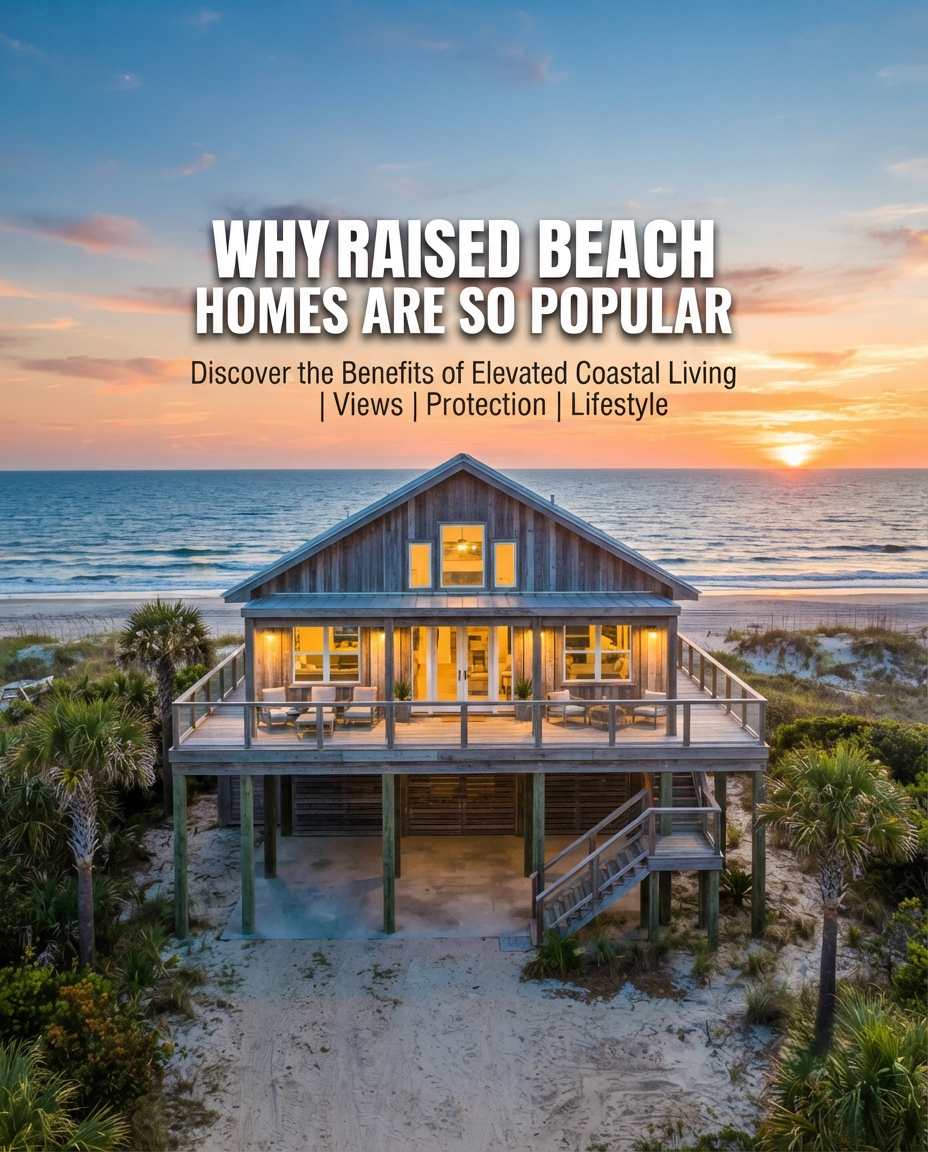
Oceanfront Condos vs. Single-Family Homes in Myrtle Beach

This is one of the most common conversations I have with out-of-state buyers, and the right answer changes a lot depending on what they actually want from a Myrtle Beach property. An oceanfront condo and a single-family home in Myrtle Beach are not just different in price. They're different in how they're used, how they're rented, how they're insured, and how they hold value through hurricane seasons and market cycles. After three decades of writing offers on both, I have a pretty clear sense of which buyer fits which path. Here's how I walk people through it.

What "Myrtle Beach" Means When You Compare the Two

First, some boundaries. When buyers say "Myrtle Beach," they usually mean the long strip along Ocean Boulevard, but the city limits stretch west to the Intracoastal Waterway and out toward Highway 501 and Carolina Forest. Oceanfront condos sit east of Highway 17 Business, almost always within a few blocks of the water. Single-family homes are scattered all over town, including beachfront streets in places like the Dunes Club, Pine Lakes, and the south end near Surfside, plus inland neighborhoods like Market Common, Carolina Forest, and Plantation Lakes.

Comparing the two isn't apples-to-apples because the locations themselves are doing a lot of work. A million dollars in an oceanfront condo and a million dollars in a Pine Lakes home are two very different lifestyles.

The Use Case for an Oceanfront Condo

Condos make the most sense when you want:

  • - A lock-and-leave second home you can use a few weeks a year
  • - A direct ocean view from the unit itself
  • - Short-term rental income when you're not there
  • - Minimal exterior maintenance, since the HOA handles roof, paint, pool, elevators, and landscaping

The investor side of this market is real. Plenty of oceanfront buildings allow daily and weekly rentals, and the rental peak runs roughly from mid-March through early September. The math depends heavily on building, view, floor, and bedroom count. A direct-oceanfront 2-bedroom in a strong rental building handles its monthly carry differently than a side-view efficiency in an aging building.

For buyers shopping the condo segment, the price bands roughly look like this in today's market:

  • - Studio and 1-bedroom oceanfront units in older buildings: $150,000 to $260,000
  • - 2-bedroom oceanfront in mid-tier buildings: $300,000 to $500,000
  • - High-floor and luxury oceanfront: $500,000 to well past $1,000,000

If you're shopping the higher end, Myrtle Beach million-dollar homes include both single-family and the top oceanfront condo product, and seeing them side by side helps a lot of buyers decide which path fits.

The Use Case for a Single-Family Home

Single-family in Myrtle Beach makes sense when you want:

  • - A primary residence, not a vacation property
  • - Outdoor space, a garage, and a private yard
  • - A neighborhood feel rather than a tower-and-elevator feel
  • - Lower monthly HOA dues and more control over the property

The trade-off is location. Single-family inventory directly on the sand exists, but it's the most expensive product in the market by a wide margin. Most full-time Myrtle Beach single-family homes are inland a few blocks to a few miles, where buyers get newer construction, a real yard, and a community pool for a fraction of beachfront pricing.

For the most active price band, browse Myrtle Beach homes between $250,000 and $500,000. That range covers the bulk of new construction and resale single-family inventory inside the city right now.

Oceanfront Condos vs. Single-Family Homes in Myrtle Beach

How Insurance and HOA Dues Actually Compare

This is where buyer expectations get adjusted in my office. An oceanfront condo's monthly HOA fee can run $400 a month in older buildings and well over $1,200 a month in newer, amenity-heavy buildings. Those dues typically include the master insurance policy, water, sewer, trash, elevator maintenance, building staffing, pools, and exterior upkeep.

A single-family home doesn't carry that HOA load, but the owner has to budget directly for wind and hail insurance, flood insurance where applicable, roof reserves, HVAC, lawn care, and exterior paint cycles. The total cost of ownership often lands closer than buyers think — sometimes the condo is cheaper, sometimes the single-family is, depending on the property.

One specific trap: condo special assessments. When a building needs a roof, an elevator overhaul, or balcony repairs, the cost is split among unit owners. I've seen assessments range from a few hundred dollars to tens of thousands per unit. Always read the last two years of HOA meeting minutes and reserve study before going under contract.

Resale and Long-Term Hold

Both segments have appreciated meaningfully through the last cycle, but they don't move in sync. Oceanfront condo prices move with vacation demand, rental income, and insurance costs. Single-family prices move more with primary-resident demand, school zones, and interest rates. Holding both has actually been a smart play for some of my long-term clients, because they zig and zag at different times.

For higher-priced single-family product, Myrtle Beach homes between $500,000 and $1,000,000 tend to attract relocation buyers and move-up locals. That buyer pool is steadier than the vacation-rental crowd.

Two Things I Tell Buyers Choosing Between the Two

First, separate the lifestyle question from the investment question. If you'd actually use the property 6 to 8 weeks a year and want the income the other 30, you're a condo buyer. If you want a real home, a yard, a garage, and a community you'll see neighbors in, you're a single-family buyer. Trying to make one property do both jobs is where regret usually shows up.

Second, if rental income is part of the plan, never accept the first revenue estimate at face value. Cross-check it against actual rental history for that exact building or that exact block. I've watched too many buyers commit to a number from a listing agent that doesn't match what the unit has actually produced.

Key Takeaways

Oceanfront condos and Myrtle Beach single-family homes serve different jobs. Condos work for buyers who want low-maintenance second homes with rental upside on the water. Single-family homes work better for full-time residents who want space, yard, and a neighborhood. The total monthly cost of either is closer than buyers expect once you factor HOA dues, special assessment risk, wind and hail insurance, flood insurance, and reserve costs. The smartest move is to define how you'll actually use the property first, then let that decision steer the property type, not the other way around.

About Greg Harrelson

Greg Harrelson is a seasoned Realtor® with more than 30 years of experience serving the Myrtle Beach and Grand Strand markets. As the founder of Century 21 The Harrelson Group, Greg has built his career helping buyers, sellers, and investors achieve success in every corner of the coastal Carolina real estate market. His expertise spans residential homes, investment properties, land development, and coastal condos. Known for his deep local knowledge, innovative marketing strategies, and commitment to personal service, Greg consistently helps clients reach their real estate goals while navigating the ever-changing market with confidence and precision.

Posted in For Buyers
June 5, 2026

New Construction vs. Resale Homes in Horry County

This is one of the most common decisions buyers face when they shop Horry County, and the right answer isn't the same for everyone. New construction has been the headline story along Highway 905, Highway 544, and the Carolina Forest corridor for years now. At the same time, resale homes in older neighborhoods have quietly held their value and, in some pockets, outperformed the new builds. After watching both ends of this market through multiple cycles, here's how I help buyers decide which side fits.

New Construction vs. Resale Homes in Horry County

What "New Construction" Really Means in This Market

When buyers say new construction in Horry County, they usually mean a national builder like D.R. Horton, Lennar, Beazer, KB Home, Ryan, or Pulte putting up a community on raw land off a county road. The pace has been remarkable. Conway new construction has expanded by hundreds of homes a year between the Carsens Ferry, Astoria Park, and Highway 905 corridors, plus a heavy push into the Longs and Loris belt to the north.

Resale, by contrast, covers everything from a 1985 brick ranch on a half-acre lot in Conway proper to a 2018 Carolina Forest home that's been lived in for six years. Resale is the bigger pool by inventory, but it gets less marketing attention because individual sellers don't have the budget builders do.

Where New Construction Wins

New construction's biggest pull is what's behind the walls. You're getting current code, modern HVAC, foam insulation in most builds, and warranties that cover structural and mechanical issues for the first one to ten years depending on the builder. Energy bills are usually noticeably lower. The wind mitigation features built into 2024 and 2025 homes can carry meaningful insurance discounts in this coastal market.

New construction also tends to win on:

  • - Buyer incentives, especially rate buydowns or closing cost contributions when builders need to move inventory
  • - Predictable HOA covenants and amenity packages
  • - Cleaner financing because the home is appraisal-friendly with comparable builder sales nearby
  • - Lower immediate maintenance budget

Where Resale Quietly Wins

Resale wins on land, location, and character almost every time. A 1990s home on a true half-acre in Conway sits on a lot that today's builders rarely offer for the same price. Older neighborhoods have mature trees, established communities, and street layouts that the post-2015 cookie-cutter builds can't match.

You also see resale outperform new construction on:

  • - Proximity to downtown Conway, Myrtle Beach city limits, and historic neighborhoods
  • - True yard space, fenced backyards, and meaningful tree cover
  • - Solid masonry construction in homes built in the 70s through early 90s
  • - Settled foundations and predictable drainage that newer builds haven't proven yet

For buyers who want established neighborhoods with character, browsing Conway real estate resale inventory side by side with the new construction subdivisions is usually the most useful comparison. The price-per-square-foot numbers tell two different stories.

The Trap Buyers Fall Into With New Construction

I see a few patterns repeat year after year:

First, buyers assume the listing price is the negotiating ceiling. With most national builders, the listed base price is the floor for any given month, but the buyer incentives, lot premiums, and design center add-ons swing the final number much more than the base. Smart buyers ask which incentives are being offered this week, not just what's on the spec sheet.

Second, buyers under-budget the post-closing cost. New construction usually comes with no blinds, sparse landscaping, no fence, and no gutters. I've watched clients spend $15,000 to $30,000 in the first six months making the house live the way they wanted.

Third, the warranty isn't as bulletproof as buyers think. Cosmetic issues are usually fixed quickly, but settling cracks, drainage adjustments, and HVAC tuning can drag out. Document everything in writing during the walkthrough.

The Trap Buyers Fall Into With Resale

Resale has its own warning signs:

HVAC and roof age are the two budget killers I see most often on resale inspections. A 14-year-old roof or a 12-year-old HVAC system means the buyer is buying a project on top of a house. Build that into your offer.

The other resale trap is insurance. Older homes, especially those built before the mid-1990s, often miss out on wind mitigation credits that newer construction qualifies for automatically. Get the quote before you remove the inspection contingency. In Longs real estate and similar inland pockets the gap is smaller, but it still shows up on the policy.

How I Think About the Final Decision

If a buyer values predictability, low immediate maintenance, builder warranty, and modern energy efficiency, new construction usually fits. If a buyer values land, character, an established neighborhood, and a slightly lower entry price for the same square footage, resale usually fits.

One observation I've held for years: in this market, the resale homes that have been well-maintained by a long-term owner often outperform new construction over the next ownership cycle, because the new home stops being new the day you close. The buyer who sells the resale six years later isn't competing against fresh builder inventory the same way.

Key Takeaways

The new construction versus resale decision in Horry County is really a trade between predictability and character. New builds win on energy efficiency, warranties, insurance discounts, and clean financing. Resale wins on land, location, mature neighborhoods, and price per square foot in many pockets. The biggest mistakes buyers make are under-budgeting the post-closing costs on a new build and overlooking roof, HVAC, and insurance gaps on a resale. The right answer comes down to what you value in the house itself and how long you plan to own it. Buyers who hold for five to ten years should look hard at the resale side, because new construction stops being new the day the key changes hands.

About Greg Harrelson

Greg Harrelson is a seasoned Realtor® with more than 30 years of experience serving the Myrtle Beach and Grand Strand markets. As the founder of Century 21 The Harrelson Group, Greg has built his career helping buyers, sellers, and investors achieve success in every corner of the coastal Carolina real estate market. His expertise spans residential homes, investment properties, land development, and coastal condos. Known for his deep local knowledge, innovative marketing strategies, and commitment to personal service, Greg consistently helps clients reach their real estate goals while navigating the ever-changing market with confidence and precision.

June 4, 2026

Why Buyers Love Living Near Coastal Carolina University

Coastal Carolina University has done more to shape the Conway market in the last ten years than most people realize. When I started selling here in the early '90s, CCU was a quieter regional school. Today it's a Division I program, the campus has expanded across both sides of Highway 544, and there's a steady wave of buyers who specifically want to live within a short drive of it. Some are parents buying for a student. Some are alumni who came for school and never left. Some are investors who figured out that rent checks from college tenants don't bounce as often as people assume. Here's what that part of the Conway market actually looks like.

Where the CCU Area Sits in the Conway Market

CCU's main campus is off Highway 544 on the south side of Conway, sandwiched between the city proper and the Carolina Forest area. That location is the reason this part of town has grown faster than almost any other. You're 15 minutes from downtown Conway, 20 minutes to Myrtle Beach, and 10 minutes from Carolina Forest schools and shopping. The road network is the catch. Highway 544 carries a lot of traffic between campus, the beach, and the hospital corridor, especially between 7:45 and 9 a.m. and again at afternoon dismissal. If you live and work along it, you learn the cut-throughs quickly.

For shoppers, the most useful starting point is the broader Conway real estate map. CCU-adjacent inventory ranges from sub-$200,000 condos to half-million-dollar single-family builds, with a lot of activity in the $250,000 to $400,000 band.

Why Parents Buy Here

Parents who buy near CCU usually do the math like this: their child needs housing for four years, the dorm or apartment lease will run thousands a year, and Conway home prices are reasonable compared to the rest of the country. They buy a small home or a condo, the student lives there with a roommate, and the parents either sell when school ends or hold the property as a rental.

I've helped a lot of families through this exact scenario. The clients who end up happiest tend to do three things:

  • - Buy something simple and durable, not the prettiest unit
  • - Pick a community with reliable maintenance and security
  • - Sign a real, written roommate lease, even between friends

Where Alumni and Faculty End Up

Alumni who graduated from CCU and decided to stay tend to drift to the historic side of Conway near Main Street, or into newer construction at Carsens Ferry and along the Highway 905 corridor. Faculty members often want a quieter commute and choose homes off the back roads toward Aynor. Several alumni families have also landed at Wild Wing Plantation when they want amenities, a golf course, and a true neighborhood feel. The pattern I've watched for years is that the people who fall in love with Conway as students usually want a real neighborhood once they buy, not a student-feeling community.

That's worth remembering as a buyer. Some communities near campus carry a steady student rental presence and the wear that comes with it. Others are full-time owner-occupied and you'd never know a university was nearby. Walk both during a weekday evening before you decide.

The Investor Angle on CCU

Investors have been a real part of this market for over a decade. The math has changed as prices climbed, but it still pencils out for the right property. Here's what I see working right now:

  • - 2- and 3-bedroom condos in the $150,000 to $250,000 range with HOA dues that don't eat the cash flow
  • - Older townhomes within walking distance of campus, especially in communities that allow long-term rentals
  • - Small single-family homes with 3 or 4 bedrooms where each room can be leased separately to students

The key variable is HOA rental policy. Some communities have tightened up on rentals over the last few years, and a few cap the number of rentals allowed at any given time. I tell every investor client to request the HOA's current rental rules in writing before going under contract. Verbal answers from a leasing agent are not enough.

If you're looking at the condo side specifically, Conway condos for sale includes a number of buildings that have historically performed well with student tenants.

Lifestyle Pieces That Matter More Than Buyers Expect

Game days. CCU football and baseball weekends shift the entire south side of Conway. Streets close, traffic backs up, and parking gets creative. If you're a tailgater, it's a feature. If you work from home and need a quiet Saturday morning, plan around the home schedule.

The walkability question. Some communities near campus genuinely let students walk or bike to class. Others look close on a map but require a dangerous crossing of Highway 544. Don't assume from the listing photos. Drive the actual route.

The dining and grocery layer has caught up nicely. Conway Medical Center, the Costco on 501, the Tanger Outlets, and the restaurants near the campus give residents real options without driving to the beach. Five years ago that was not true.

Why Buyers Love Living Near Coastal Carolina University

Two Things I Tell Every CCU-Area Buyer

First, the academic calendar matters when you list a rental. Leases here run with the school year. If you close in November on a property you plan to rent, you may sit empty until August. Build that into your numbers.

Second, insurance and maintenance budgets on student-occupied homes need to be higher than a typical owner-occupied property. Things break faster. Floors take more abuse. Plan for it, and the investment still works. Pretend it won't happen, and it'll catch you the first year.

For families targeting nearby schools rather than the university, Astoria Park is another community worth a look, since its inventory and price points often overlap with what CCU-area buyers shop.

Key Takeaways

  • - Coastal Carolina University shapes the south side of Conway more than most outside buyers realize
  • - The market includes parents buying for students, alumni settling in, faculty, and long-term investors
  • - Highway 544 traffic and CCU's home football and baseball schedule both affect daily life more than buyers expect
  • - Investor success depends heavily on HOA rental rules and a realistic maintenance budget
  • - Some communities feel like real neighborhoods and others feel like student housing - walk both at night before deciding
  • - Inventory ranges from sub-$200,000 condos to $500,000+ single-family homes, with most activity in the $250,000-$400,000 band

About Greg Harrelson

Greg Harrelson is a seasoned Realtor® with more than 30 years of experience serving the Myrtle Beach and Grand Strand markets. As the founder of Century 21 The Harrelson Group, Greg has built his career helping buyers, sellers, and investors achieve success in every corner of the coastal Carolina real estate market. His expertise spans residential homes, investment properties, land development, and coastal condos. Known for his deep local knowledge, innovative marketing strategies, and commitment to personal service, Greg consistently helps clients reach their real estate goals while navigating the ever-changing market with confidence and precision.
Posted in For Buyers
June 3, 2026

Riverfront Living in Conway: What Buyers Need to Know

The Waccamaw River runs right through the back of our market, and the stretch that bends past downtown Conway is the part that surprises out-of-town buyers most. People drive down expecting saltwater. They roll into Conway thinking it's just another feeder town for Myrtle Beach. What they actually find is a slow, dark, blackwater river with cypress knees, paddleboarders, fishing skiffs, and a Riverwalk you can walk end to end before the coffee shops open. After thirty-plus years of selling in this area, I can tell you riverfront homes in Conway behave differently than oceanfront condos, and buyers who understand that early end up much happier with the home they pick.

Why Conway River Property Is Different

Most buyers I work with come down the coast looking at North Myrtle Beach, Myrtle Beach, or Garden City, and they only loop inland to Conway after a friend or family member tells them to. Once they're here, the first thing that grabs them is the price-per-foot of river footage versus ocean footage. A direct-Waccamaw home in Bucksport, off Pitch Landing, or up around the Bucksville area runs a fraction of an oceanfront equivalent. You also get a different lifestyle. The Waccamaw is freshwater for most of its run through Horry County, so owners don't fight the salt corrosion that oceanfront homeowners battle every season.

The other thing buyers learn quickly is that the river changes character every few miles. The stretch near Conway Marina sees the most boat traffic. South of town, near the Pitch Landing public boat launch, the homes are quieter and the cypress canopy is heavier. North toward Pireway Road and Highway 905, you cross into more remote acreage, which is where the buyers looking for real privacy tend to land.

Conway Riverfront Neighborhoods Worth Knowing

Conway riverfront real estate doesn't fall into tidy subdivisions the way coastal condo buildings do. A lot of it is one-off homes on bigger lots, mixed with a few planned communities. Wild Wing Plantation has a portion that fronts water, though most of its inventory is golf-course homes. You'll also find historic riverfront-adjacent properties near Kingston Lake (a Waccamaw tributary) inside the downtown Conway district, and newer construction on the north end where developers have been buying up family land.

If you're shopping the area, explore current Conway real estate listings and pay close attention to whether the water frontage is on the main Waccamaw channel or on a backwater slough. Both are beautiful, but only one supports a real dock and a powerboat.

Flood Zones, Dock Permits, and the Stuff Buyers Forget to Ask

Here's where I have to be direct: a lot of Conway's prettiest riverfront sits inside FEMA AE or A flood zones, and a few parcels touch the regulatory floodway itself. That matters because:

  • - A floodway designation makes building or rebuilding more expensive, and sometimes nearly impossible.
  • - An AE zone with a base flood elevation pushes your first finished floor up, which is why so many newer Conway river builds sit on tall pilings.
  • - Lenders on a federally-backed loan require flood insurance, and the premium depends on elevation, not just the zone.

The 2015 and 2016 floods are still very much in local memory. I had clients lose homes back then, and I had clients sell two years later for higher than pre-flood pricing. The Conway market is forgiving over time, but you need to buy the right elevation, not just the right view.

Dock permits are the second thing buyers underestimate. SCDHEC and the U.S. Army Corps of Engineers both have a hand in what you can build on the bank. A grandfathered, permitted dock that conveys with the home is gold. Building a new one can take six months to a year and isn't guaranteed.

Riverfront Living in Conway What Buyers Need to Know

What These Homes Cost and Who's Buying

Realistic price bands in the Conway market right now:

  • - Older river cottage on a smaller lot: low $300s to mid $400s
  • - Solid mid-tier riverfront on usable acreage with a dock: $500s to $700s
  • - Custom riverfront with deep water and a boathouse: $800s and up, sometimes well past a million depending on land

The buyer pool is split. A lot are retirees from Pennsylvania, Ohio, and New York who priced oceanfront condos, did the math on HOA dues, and pivoted inland. A growing share are remote workers who want trees, water, and a short drive to Myrtle Beach International. A smaller group are local move-up buyers who already owned in Carolina Forest or Aynor and finally pulled the trigger on a river property.

For lower-maintenance options that still keep you close to the water, take a look at Conway condos for sale. They aren't on the river, but several put you within walking distance of the Riverwalk and the public boat ramp.

Two Things I Tell Every River Buyer

One: read the seller's disclosure twice. Conway is an old town, and a lot of these homes have lived through hurricanes, lightning strikes, and septic upgrades. The real story is usually in the disclosure.

Two: walk the property in the rain. I'm serious. The river is one part of the picture. The yard's drainage, the driveway pitch, and where the water pools after a heavy storm tell you more than a sunny-day showing ever will.

If you want to be near the water without the full floodplain complexity, no-HOA homes in Conway often sit on higher ground a mile or two off the river. Those are worth a long look.

Key Takeaways

Riverfront in Conway is its own market, distinct from the coast and from inland Horry County. You're trading salt for freshwater, surf for cypress trees, and HOA dues for septic maintenance. The right home, on the right elevation, on the right stretch of the Waccamaw, holds value through high water and low. The wrong lot can punish you on insurance, permits, and resale. The biggest win is buying with eyes wide open: confirm the flood zone, confirm the dock permit, and lean on an agent who has watched this market through more than one storm cycle.

Frequently Asked Questions

Do I need flood insurance for a Conway riverfront home?

If the home sits in an AE or A flood zone and you're using a federally-backed mortgage, yes, flood insurance is required. Even outside those zones, voluntary coverage along the Waccamaw is smart. Premiums depend heavily on the home's elevation above the base flood line, so two homes on the same street can have very different rates.

Can I build a new dock on the Waccamaw River?

You can apply, but expect the process to take six months to a year. SCDHEC and the U.S. Army Corps of Engineers both review dock permits, and the rules are stricter on certain stretches. A home that already conveys with a permitted dock is significantly more valuable than a similar home without one.

Is the Waccamaw River saltwater or freshwater near Conway?

The river is freshwater through most of Conway and only turns tidal and brackish as you head south toward Bucksport and Wachesaw. That matters for fishing, boat maintenance, and dock construction. Freshwater is much easier on outboard motors and metal hardware.

How are property taxes calculated on Conway riverfront homes?

South Carolina taxes primary residences at a 4 percent assessment ratio and second homes or investment properties at 6 percent. The same physical home can carry very different tax bills depending on how it is used and whether the owner files for the legal residence exemption with Horry County.

Are short-term rentals allowed on Conway riverfront property?

Short-term rental rules vary by jurisdiction within Conway and Horry County. Some river roads sit inside the city limits, others are unincorporated county. Always confirm with the planning office before counting on Airbnb or VRBO income.

About Greg Harrelson

Greg Harrelson is a seasoned Realtor® with more than 30 years of experience serving the Myrtle Beach and Grand Strand markets. As the founder of Century 21 The Harrelson Group, Greg has built his career helping buyers, sellers, and investors achieve success in every corner of the coastal Carolina real estate market. His expertise spans residential homes, investment properties, land development, and coastal condos. Known for his deep local knowledge, innovative marketing strategies, and commitment to personal service, Greg consistently helps clients reach their real estate goals while navigating the ever-changing market with confidence and precision.

June 2, 2026

Best Marina Communities in Little River

Little River is one of the most underrated pockets along the Grand Strand, and the marina communities are the reason it stays interesting year after year. If you talk to anyone who keeps a boat in this area, the conversation always comes back to the same few spots — Coquina Harbour, Cricket Cove, and a handful of condo communities that put owners within walking distance of the docks. I've sold in Little River for decades, and the buyers I send here tend to be a specific type: people who want water access without the price tag and parking headaches of the immediate ocean strip.

Why Little River Marina Living Works

Little River sits where the Intracoastal Waterway and Little River Inlet meet, which gives boaters a short, sheltered run out to the ocean compared to almost any other point on the strand. You're also a quick drive from Calabash for dinner, North Myrtle Beach for the day, and Wilmington if you want a longer weekend. The deep water access is the technical reason Little River became a boating town. The fact that you can get a real waterfront condo here for less than the price of a non-water Myrtle Beach unit is the practical reason it keeps drawing buyers.

Insurance and dockage costs are real conversations to have before buying, but the operating math usually pencils better than buyers expect. A 30-foot slip in Little River runs noticeably less than the same slip would in Wilmington or Charleston.

Coquina Harbour Condos

Coquina Harbour Condos are the first community I show most boat-owning buyers in Little River. The marina is the centerpiece, with slips available for owners and a working harbor feel that hasn't been over-polished. The condo product itself ranges from one-bedroom units on the lower end up to larger waterfront units with direct marina views. Prices run from the low $200s into the high $400s depending on view, floor, and bedroom count.

The thing buyers underestimate at Coquina Harbour is the difference between a "view of the marina" and an actual waterfront-facing unit. Walk both before you commit — the resale value gap is real.

Carolina Yacht Landing

Carolina Yacht Landing Condos sit on the Intracoastal with their own marina, gated entry, and the kind of HOA that maintains things well. The community appeals to a slightly older buyer pool who want predictable amenities and won't tolerate deferred maintenance. Prices skew higher than Coquina Harbour for comparable square footage, but the HOA reserve studies have historically held up better.

If you want long-term rental income off a Little River condo, Carolina Yacht Landing's HOA rules are worth reading carefully before going under contract. Some buildings allow rentals freely; some are tighter than buyers expect.

Cypress Bay Condos

Cypress Bay Condos offer a quieter, more affordable on-water option for buyers who don't need the full marina amenity package. The price point starts lower than Coquina Harbour and Carolina Yacht Landing, which makes Cypress Bay popular with first-time second-home buyers and people testing the Little River lifestyle before committing bigger dollars. The trade-off is fewer amenities and a smaller community footprint, which some buyers prefer.

Cricket Cove Marina and the Surrounding Pocket

Cricket Cove Marina has been part of the Little River boating identity for decades. The homes and condos in the immediate neighborhood don't always sit inside a single named community, which is part of why this pocket gets overlooked. Buyers willing to do the work of identifying individual properties, often through MLS searches rather than community marketing, can find homes with deeded slips at relative bargains. The street-by-street character changes more here than in the planned communities — drive the area before you commit.

What the "Near Marina" Search Looks Like Today

Beyond the named condo communities, there's a steady stream of single-family inventory within a short walk or quick drive of the local marinas. Little River homes for sale near a marina is one of the more useful filtered searches in my view, because it captures houses that aren't always tagged as "waterfront" but still put buyers a few blocks from their boat.

Most of these single-family properties sit in the $300s to $600s, with deeded boat slips or community marina access driving the upper end. Buyers who don't need a slip can usually save 10% to 20% by stepping just outside the marina-included communities.

Best Marina Communities in Little River

Two Things I Tell Every Marina Community Buyer

First, the slip ownership question matters more than buyers assume. Some slips convey with the unit. Some are leased annually. Some are owned but separately deeded, meaning they can be sold off. Confirm in writing exactly what conveys and what doesn't before you remove your inspection contingency. A unit with a permanent, transferable slip is worth materially more on resale.

Second, special assessments are a real risk in waterfront condos. Bulkheads, docks, and pilings take more wear than buyers realize, and aging Little River marinas have started catching up on deferred maintenance. Always read the last three years of HOA meeting minutes and the most recent reserve study. The buildings that have already addressed their dock work are usually safer holds than ones with the project still in front of them.

Key Takeaways

Little River marina communities give buyers a real water lifestyle at prices that still don't match the rest of the Grand Strand. Coquina Harbour leads on working-harbor character. Carolina Yacht Landing leads on amenities and predictability. Cypress Bay offers a more affordable entry point. The Cricket Cove pocket rewards buyers willing to search street by street. For most buyers, the smartest move is to drive the marinas during a weekday morning, ask the dockmaster what slips are available, and then look at units. Slip ownership, HOA reserve health, and the gap between a marina view and an actual waterfront unit are the three details that separate happy long-term owners from frustrated ones. Little River keeps quietly attracting boaters, and the marina-adjacent inventory is what makes that possible at this price point.

About Greg Harrelson

Greg Harrelson is a seasoned Realtor® with more than 30 years of experience serving the Myrtle Beach and Grand Strand markets. As the founder of Century 21 The Harrelson Group, Greg has built his career helping buyers, sellers, and investors achieve success in every corner of the coastal Carolina real estate market. His expertise spans residential homes, investment properties, land development, and coastal condos. Known for his deep local knowledge, innovative marketing strategies, and commitment to personal service, Greg consistently helps clients reach their real estate goals while navigating the ever-changing market with confidence and precision.

Posted in For Buyers, Lifestyle
June 1, 2026

What Wind and Hail Insurance Covers in Coastal South Carolina

If you've shopped a home anywhere from Little River down through Garden City, your loan officer has probably already used the words "wind and hail" with you, and you may not have known exactly what that meant. After three decades of writing offers along the Grand Strand, I can tell you this is one of the most misunderstood line items on a coastal South Carolina closing statement. People assume the homeowner's policy they're used to from Pennsylvania or Ohio is going to behave the same way down here. It won't. The coast plays by different insurance rules, and understanding them before you write an offer can save you thousands a year and a serious surprise after the first big storm.

Why Coastal South Carolina Insurance Works Differently

Most homeowner's policies in inland states cover wind damage automatically. Once you cross into the SC coastal counties, that piece gets carved out. Carriers split off "wind and hail" as a separate line, or they hand the wind portion off entirely to the South Carolina Wind and Hail Underwriting Association, which most agents around here just call the "Wind Pool."

It boils down to risk math. Hurricanes have hit Horry and Georgetown counties enough times that the standard market doesn't want to absorb that exposure alone. So buyers in Myrtle Beach, North Myrtle Beach, Little River, Cherry Grove, Garden City, Pawleys Island, and parts of Murrells Inlet end up stitching together two or three policies: a homeowner's policy that excludes wind, a separate wind and hail policy, and often a flood policy on top of that.

What "Wind and Hail" Actually Pays For

A wind and hail policy along the Carolina coast typically covers damage from:

  • - Hurricane and tropical storm winds, including driving rain that enters through wind-damaged areas
  • - Tornadoes
  • - Straight-line wind events and severe thunderstorms
  • - Hail strikes to the roof, siding, gutters, and windows
  • - Falling trees and limbs when the cause of the fall is wind

What it usually does not cover: water that enters from the ground up (that's flood), water that backs up through plumbing, gradual wear, or maintenance issues that pre-dated the storm. I see claims denied every season because a roof was already at the end of its life, and the policy only pays for storm damage, not aging shingles.

The Wind Pool vs. Private Carriers

Some homes can only get wind and hail coverage through the Wind Pool. Others can get a private carrier to write it. The closer you are to the ocean, the more likely you are to be Wind Pool territory. As a rough rule, I tell buyers shopping the strip east of Highway 17 in North Myrtle Beach and Cherry Grove to plan on the Wind Pool. Buyers a few miles inland, in places like Longs or Conway, often have private options and lower premiums.

Private carriers can be cheaper, but their coverage and deductible structures vary widely. The Wind Pool is more standardized but caps coverage limits, which matters on higher-priced homes.

Deductibles Are the Trap

Here's the part buyers miss most often. Coastal wind and hail deductibles are usually a percentage of the dwelling coverage, not a flat dollar amount. A 2 percent deductible on a $500,000 dwelling is a $10,000 deductible. On a $750,000 home, it's $15,000. After Hurricane Florence, I had clients shocked at how big the out-of-pocket bill was on roof damage that totaled $14,000, because their deductible swallowed most of it.

When you compare quotes, look at:

  • - The percentage deductible specifically for named storms
  • - Whether there's a separate hurricane deductible and a separate hail deductible
  • - Whether replacement cost or actual cash value applies to the roof

What Drives Your Premium Up or Down

From watching hundreds of policies over the years, the biggest premium movers in our market are:

  • - Distance to the coast (the closer, the higher)
  • - Roof age and material (newer architectural shingles or metal can cut the premium)
  • - Construction type (block beats stick frame in wind ratings)
  • - Hurricane shutters or impact-rated windows
  • - Wind mitigation inspection results

That last one is the lever most buyers don't pull. A wind mitigation inspection is usually under $200, and the carrier discounts that come out of it can pay that fee back the first year. Newer homes in places like Little River communities often qualify for sizable credits because they were built to the current code.

What Wind and Hail Insurance Covers in Coastal South Carolina

Two Insurance Mistakes I See Coastal Buyers Make

First, buyers shop the homeowner's premium but forget to price the wind and hail piece until they're inside the inspection period. By then, they've already fallen for the house. I push every buyer to get a real insurance quote, with wind and hail, before they remove the inspection contingency. Sometimes the carrier comes back with a number that changes the conversation entirely.

Second, buyers assume their existing carrier from up north will follow them down here. Many won't write coastal South Carolina at all. Sorting that out the week before closing is stressful. Sorting it out before you go under contract is smart.

Key Takeaways

  • - Wind and hail is a separate policy along the SC coast, not part of standard homeowner's insurance
  • - Many coastal homes get wind coverage from the SC Wind and Hail Underwriting Association (the Wind Pool)
  • - Deductibles are typically a percentage of dwelling value, often 2 to 5 percent
  • - Distance to the coast, roof age, and wind mitigation features are the biggest premium drivers
  • - Moving inland to areas like Conway, Longs, or Loris usually drops premiums noticeably
  • - Always get a real wind and hail quote before you remove your inspection contingency

Frequently Asked Questions

Is wind and hail insurance required when buying a home in coastal SC?

Lenders almost always require wind and hail coverage on financed homes in the coastal counties, even though it's separate from the homeowner's policy. Cash buyers aren't required to carry it, but going without is rarely a good idea this close to the Atlantic.

What is the South Carolina Wind and Hail Underwriting Association?

It's the state-supported insurance pool that writes wind and hail coverage for homes the private market won't insure for those perils. Most buyers in the immediate coastal corridor end up using it. It's a legitimate policy, just with different limits and deductible structures than a typical private carrier.

Does flood insurance cover wind damage?

No. Flood and wind are separate policies. Flood covers rising water from the ground up. Wind covers damage caused by air pressure, falling trees, and storm-driven debris. After a hurricane, claims often involve both, which is why adjusters from each policy can end up at the same address.

Can I avoid wind and hail insurance by buying inland?

You can usually get a standard homeowner's policy that includes wind once you're far enough inland, in places like Conway, Aynor, Loris, Galivants Ferry, or Marion. The Wind Pool boundary roughly follows the coastal counties, but the underwriting risk is what really sets premiums, and that drops fast as you move west.

How long does it take to file a wind and hail claim?

You should report damage to your carrier as soon as it's safe, and ideally within 30 days of the event. Document everything with photos and video before any cleanup. Hurricane-related claims often take longer to resolve because adjusters are managing thousands of files at once.

About Greg Harrelson

Greg Harrelson is a seasoned Realtor® with more than 30 years of experience serving the Myrtle Beach and Grand Strand markets. As the founder of Century 21 The Harrelson Group, Greg has built his career helping buyers, sellers, and investors achieve success in every corner of the coastal Carolina real estate market. His expertise spans residential homes, investment properties, land development, and coastal condos. Known for his deep local knowledge, innovative marketing strategies, and commitment to personal service, Greg consistently helps clients reach their real estate goals while navigating the ever-changing market with confidence and precision.

May 29, 2026

Best Neighborhoods in Conway for Families

When a family lands in my office looking at Conway, the questions are almost always the same: which school zone is best, where do the kids play, and how far is the drive to work or to the beach. After watching this town grow from a sleepy county seat into one of the fastest-growing pockets of Horry County, I have a short list of neighborhoods I send families to first. None of them are perfect, and the right fit depends on the school you want, the price point, and whether you can stomach a school bus ride down Highway 905. Here's how I think about it.

Why Conway Works for Families in the First Place

Conway sits about 15 minutes inland from Myrtle Beach, which is the sweet spot a lot of families end up wanting. You're close enough to the beach for Saturday morning trips. You're far enough away to escape the tourist traffic on Ocean Boulevard and the rental turnover that wears on full-time residents. The downtown has been steadily reinvested in. The Riverwalk along the Waccamaw is genuinely a place kids ride bikes after dinner. And Coastal Carolina University right here in town shapes the rhythm of the community more than people realize.

For real estate purposes, "Conway" actually covers a wide geography. Homes addressed Conway, SC can sit inside city limits, off Highway 501 in the Carolina Forest corridor, deep into rural acreage on Highway 905, or out toward Aynor on the west side. Each pocket has a very different feel.

Best Neighborhoods in Conway for Families

Wild Wing Plantation

Wild Wing Plantation remains the neighborhood I show first when a family wants amenities. There's a golf course, a pool complex with water slides, lakes, and a true clubhouse. Inventory ranges from townhomes in the low $300s up to custom waterfront builds well past $700,000. The school zone changes depending on which gate you enter through, so I always tell parents to confirm the exact address against the current Horry County school attendance map. The mistake I see most often is a buyer falling for a house and then learning their child won't attend the school they thought.

The Carsens Ferry and Astoria Park Corridor

If you want newer construction, lower-maintenance yards, and the most predictable bus stop in the area, this is where I steer young families. Both Carsens Ferry and Astoria Park have led the new construction wave on this side of town, with builders like Lennar, D.R. Horton, and Beazer all active. The price point is friendlier than Wild Wing, typically in the high $200s to low $400s for new construction. The trade-off is smaller lots and HOA dues. Families who don't want to mow a half-acre find that a fair swap.

Hillsborough and the Highway 544 Pocket

Hillsborough is a master-planned community that has matured nicely. You can walk to the community pool. The streets are wide enough for kids to ride bikes safely. The location off Highway 544 puts you closer to the Carolina Forest schools and a shorter commute to the south end of Myrtle Beach. The catch is that 544 traffic at school drop-off has gotten worse year over year. Plan on leaving 10 minutes earlier than the GPS estimate during the school year.

The In-Town Conway Historic District

For families who want older homes with character, the streets around Main Street and Kingston Street are worth a serious look. You get true sidewalks, oak canopies, walkable distance to Conway Elementary, and a downtown that's growing more useful every year. The inventory is small and the homes need attention. I tell buyers here to budget for HVAC, electrical, and sometimes a full kitchen redo. If you want a turnkey home, this isn't the pocket for you. If you want a real neighborhood with kids on bikes after dinner, this is one of the last truly walkable family streets on the Grand Strand.

For families specifically targeting Conway Elementary, I keep a curated list of 4-bedroom homes near Conway Elementary School updated, which usually saves a few weeks of searching.

The Highway 905 and Burning Ridge Area

This is where the buyers wanting more space land. Lots stretch from half an acre to several acres. Burning Ridge has a golf course running through it and homes that range from the $300s into the $500s. The school bus ride is longer, but a lot of families think the trade is worth it for the space. You'll also find a mix of older brick ranches that come at much friendlier prices, especially when the seller has held the home for twenty-plus years.

The Two Things I Always Tell Family Buyers in Conway

First, school assignments in Horry County are address-specific, not subdivision-specific. The line between two attendance zones can literally run through a neighborhood. Don't trust the subdivision marketing material. Pull up the official zone map by street address before you write an offer.

Second, look at the home with August in mind, not March. The Conway summer is humid, the rain comes hard, and the mosquitoes find any yard that holds water. The houses with proper grading, gutters that discharge well, and a covered porch outlast the ones built fast in 2022 that look great until the first wet week of July.

For families exploring the broader area or watching budget, browse Conway homes for sale under $300,000 for some of the most-watched inventory in the market right now.

Key Takeaways

The right Conway neighborhood for your family depends mostly on the school you want and the commute you'll tolerate. Wild Wing leads on amenities. Carsens Ferry and Astoria Park lead on new construction and predictable schools. Hillsborough wins on layout and Carolina Forest proximity. The historic district wins on walkability and character. The 905 and Burning Ridge stretch wins for buyers needing space. Whatever pocket you pick, verify the school attendance zone by exact street address, not by community name, before you sign anything. That single step prevents almost every regret I see in this market.

About Greg Harrelson

Greg Harrelson is a seasoned Realtor® with more than 30 years of experience serving the Myrtle Beach and Grand Strand markets. As the founder of Century 21 The Harrelson Group, Greg has built his career helping buyers, sellers, and investors achieve success in every corner of the coastal Carolina real estate market. His expertise spans residential homes, investment properties, land development, and coastal condos. Known for his deep local knowledge, innovative marketing strategies, and commitment to personal service, Greg consistently helps clients reach their real estate goals while navigating the ever-changing market with confidence and precision.
May 28, 2026

Why Buyers Love Golf Cart Living in North Myrtle Beach

If you spend a weekend in North Myrtle Beach, you will quickly notice something that surprises first-time visitors: golf carts everywhere. They roll down side streets in Cherry Grove, line up outside restaurants on Main Street in Ocean Drive, and ferry families to the beach with coolers stacked on the back. Golf cart living has become a defining feature of the town, and for many buyers, it is the single most charming reason they decide to call North Myrtle Beach home. Understanding how this lifestyle actually works will help you choose the right neighborhood and the right kind of home to enjoy it fully.

The Culture of Golf Cart Living

Golf carts are more than a fun accessory in North Myrtle Beach. They are part of how the town moves. Residents use them for short trips to the beach, the grocery store, dinner downtown, and weekend rides with friends and neighbors. The slower pace makes it easy to wave at people, stop and chat, and feel part of a community in a way that is harder to replicate in a car-dependent suburb.

Buyers exploring North Myrtle Beach real estate often realize within the first weekend that the streets are designed for this lifestyle. Many neighborhoods have golf cart lanes, generous shoulders, and crossings that make daily cart use comfortable.

How the Rules Work

North Myrtle Beach allows street-legal golf carts on most local roads, as long as the cart is properly registered, the driver is licensed, and the cart meets state requirements. South Carolina has specific rules covering items such as headlights, taillights, slow-moving vehicle emblems, and proof of insurance.

For buyers planning to use a cart often, it is worth confirming the current rules with the city or your dealer when you purchase. Local agents who close deals in North Myrtle Beach can usually share the practical guidance buyers ask about most.

Which Neighborhoods Are Best for Golf Cart Living

While much of North Myrtle Beach is cart-friendly, certain sections are particularly popular for buyers who want golf cart living to define their daily routine.

Cherry Grove

Cherry Grove is a favorite for cart owners. The grid layout, residential streets, and proximity to the beach make daily cart use easy. Many homes include dedicated cart parking under raised beach homes, and residents often ride to the pier, restaurants, and marsh-side overlooks.

Ocean Drive

Ocean Drive is the historic heart of North Myrtle Beach and arguably the busiest cart scene in town. Main Street, the beach access points, and the dining and entertainment district all sit within a short ride of the surrounding streets. Buyers who want a social, walkable beach lifestyle often choose Ocean Drive for exactly this reason.

Crescent Beach and Windy Hill

Crescent Beach and Windy Hill offer a quieter version of cart living. Residents still enjoy easy beach rides and short trips to restaurants, but the streets feel less hectic than Main Street in Ocean Drive. Many full-time residents and second-home buyers prefer this balance.

What to Look for in a Cart-Friendly Home

Once you decide that golf cart living is part of how you want to live, the right home features matter more than buyers expect. A few to watch for:

  • Cart parking: Garages, under-home covered parking, and side-yard pads all work, but each has trade-offs.
  • Electrical access: Many electric carts charge overnight, so a clean 110-volt outlet near the parking area is helpful.
  • Storage for accessories: Helmets, beach gear, coolers, and small tools add up quickly, and storage close to the cart keeps the lifestyle simple.
  • Proximity to amenities: A short cart ride to the beach, grocery, restaurants, or marina turns the cart into a true daily vehicle.
  • HOA rules: A few neighborhoods restrict where carts can be parked or whether certain types of carts are allowed, so confirm before falling in love.

Buyers comparing similar homes in nearby waterway communities sometimes also explore Little River real estate, where cart culture is also present but blends with boating life.

Why Buyers Love Golf Cart Living in North Myrtle Beach

Costs, Risks, and Practical Considerations

Cart ownership is mostly inexpensive compared to a second vehicle, but it does include a few real costs. Insurance, registration, batteries on electric carts, and occasional service add up over time. Buyers planning year-round daily use should think about cart selection carefully, including whether to choose electric or gas, four-seat or six-seat, lifted or standard.

Safety also matters. Carts move at slower speeds, but mixing with cars, bikes, and pedestrians requires awareness, especially during busy beach season. Smart cart use becomes second nature quickly for full-time residents, but it is worth approaching the lifestyle with care during the first few months.

Lifestyle and Community Appeal

Golf cart living shapes more than transportation. It shapes how a neighborhood feels. Carts move slowly enough that neighbors actually see each other. People run into friends at intersections, stop to chat in parking lots, and end up at the same beach access points. Many residents describe it as one of the easiest ways to feel at home quickly in a new town.

Holidays in North Myrtle Beach are especially fun for cart owners. Cart parades, decorated rides during the holiday season, and family gatherings at the beach feel different when the cart is part of the experience.

Strategy for Buyers

Buyers who want to lean into golf cart living should think about three things while shopping. First, the neighborhood, since the streets and beach access points define the daily experience. Second, the home itself, since cart parking and storage make a real difference in how easy ownership feels. Third, the cart they actually plan to own, since matching the cart to the lifestyle keeps things simple. Working through these priorities with a local agent makes the search faster and the decision more confident, and a clear walk-through of the buying process rounds out the rest.

Key Takeaways

  • Golf cart living is a defining feature of North Myrtle Beach, shaping how residents move and connect.
  • South Carolina allows street-legal carts on most local roads with proper registration, lighting, and insurance.
  • Cherry Grove, Ocean Drive, Crescent Beach, and Windy Hill each offer a slightly different cart-friendly experience.
  • Home features such as cart parking, charging access, and storage matter as much as the home itself.
  • Cart ownership has real costs, so plan for insurance, maintenance, and the right cart type for your lifestyle.

About Greg Harrelson

Greg Harrelson is a seasoned Realtor® with more than 30 years of experience serving the Myrtle Beach and Grand Strand markets. As the founder of Century 21 The Harrelson Group, Greg has built his career helping buyers, sellers, and investors achieve success in every corner of the coastal Carolina real estate market. His expertise spans residential homes, investment properties, land development, and coastal condos. Known for his deep local knowledge, innovative marketing strategies, and commitment to personal service, Greg consistently helps clients reach their real estate goals while navigating the ever-changing market with confidence and precision.

Posted in Lifestyle
May 27, 2026

How HOA Fees Work in South Carolina Communities

If you have spent any time looking at homes along the Grand Strand, you have probably seen HOA fees mentioned again and again. South Carolina has a strong HOA culture, and the structure of those fees varies enormously from one neighborhood to the next. For buyers coming from out of state, the system can feel confusing at first. Understanding what HOA fees cover, why they vary so much, and what to ask before making an offer will save you stress, money, and surprises long after closing.

What an HOA Is in South Carolina

A homeowners association, or HOA, is a private entity that manages shared property and common rules inside a community. In South Carolina, HOAs typically operate as nonprofit corporations governed by a board of directors elected by homeowners. Their job is to maintain shared assets, enforce community standards, and budget for the long-term needs of the neighborhood.

In condo and resort buildings, this same role is often handled by what locals call a regime. The legal terminology is slightly different, but functionally the body collects fees, maintains common property, and enforces rules. Buyers comparing homes in Conway, Myrtle Beach, and other Horry County communities will quickly see both terms in use.

What HOA Fees Typically Cover

HOA fees cover the costs that the community shares as a group. The exact mix depends on the neighborhood, but most HOAs in South Carolina fund some combination of:

  • Common area maintenance such as landscaping, entrance signs, and street lighting.
  • Amenities including pools, clubhouses, fitness rooms, tennis courts, and pickleball courts.
  • Insurance for shared structures and common liability coverage for the association.
  • Reserves for big-ticket items like roof replacement, road resurfacing, or pool renovation.
  • Management services if a professional management company is involved.
  • Trash, recycling, and sometimes pest control, depending on the community.

Two communities with similar monthly fees can deliver very different value depending on what is included. A higher fee that covers a pool, clubhouse, lawn care, and exterior insurance can be a better deal than a lower fee that covers very little.

Why HOA Fees Vary So Widely

HOA fees along the Grand Strand range from modest to substantial. Several factors drive that range:

  • Amenities: Communities with pools, clubhouses, and gated entries naturally cost more to operate.
  • Building type: Condos and townhomes typically have higher fees than single-family neighborhoods because the HOA usually maintains exterior structures and shared roofs.
  • Age of community: Older communities sometimes have higher fees because they are catching up on deferred maintenance or replenishing reserves.
  • Master associations: Larger planned communities may have a primary HOA plus sub-HOAs, each charging their own fees.
  • Resort and oceanfront elements: Buildings with elevators, beach access, and significant on-site staff carry the highest fees.

Buyers should never compare two HOA fees in isolation. The question is not which is lower, but which delivers the right value for the community’s assets and the buyer’s lifestyle.

How to Read HOA Documents Before You Buy

HOA documents are not the most exciting reading, but they reveal the true health of the community. Before removing your due diligence, review:

  • The most recent budget and financial statements.
  • The reserve study and the current reserve balance.
  • Recent meeting minutes for ongoing issues or planned projects.
  • Special assessment history over the past several years.
  • Insurance coverage, including master policies and any flood or wind coverage.
  • Pet, parking, and rental rules that affect how you plan to use the property.

A strong HOA generally has healthy reserves, predictable annual increases, transparent leadership, and no surprise assessments. A weak HOA shows up in deferred maintenance, frequent assessments, or unclear financials.

How HOA Fees Work in South Carolina Communities

Special Assessments and What They Mean

Special assessments are extra one-time charges levied when the HOA does not have enough money in reserves to cover a major expense. They are not necessarily a red flag, but they deserve close attention. A single assessment after a major storm or once-in-a-generation roof replacement can be reasonable. Multiple assessments in a short period often signal underfunded reserves or deferred maintenance, and that pattern can repeat.

Buyers in older oceanfront condo buildings should be particularly thoughtful about assessment history. Communities that proactively fund reserves tend to feel less expensive over time, even if their monthly fees look higher today.

HOA Rules and Lifestyle Fit

HOA fees buy more than maintenance. They also support the lifestyle and rules of the community. Some neighborhoods have detailed architectural guidelines that affect paint colors, fencing, sheds, and exterior changes. Others restrict rentals, the number or size of pets, or the kind of vehicles that can be parked in driveways.

None of these rules are bad in themselves, but they need to align with how you plan to live. A buyer who wants to park an RV at home should not buy into a community that does not allow it. A retiree who wants quiet should pay attention to short-term rental rules. A family with multiple pets should confirm the breed and number policies. Walking through these details with a local agent during the buying process avoids regret later.

How HOA Fees Compare in Different Horry County Markets

In single-family neighborhoods around Conway and Longs, HOA fees are often modest because the association maintains common areas but not exterior structures. In larger master-planned communities in Carolina Forest or Grande Dunes, fees often run higher because amenity packages are more extensive. In oceanfront condos along the Myrtle Beach and North Myrtle Beach coast, fees can be substantial because they fund elevators, hallway insurance, beach access, and on-site management. Each setup has its place. The key is matching the fee structure to your lifestyle, your willingness to handle outdoor maintenance, and how often you plan to use shared amenities.

Key Takeaways

HOA fees in South Carolina vary widely because communities themselves vary widely. The fee itself matters less than what it covers, how well it funds reserves, and whether the rules of the community align with the way you plan to live. Buyers who treat HOA review as a real part of due diligence, rather than a checkbox at the end, almost always end up happier with their purchase. A thoughtful conversation with a local agent before you make an offer is one of the best investments you can make in the long-term experience of owning a home along the Grand Strand.

Frequently Asked Questions

Are HOA fees tax deductible in South Carolina?

For a primary residence, HOA fees are generally not tax deductible. For a rental property, a portion may be deductible as an operating expense. A tax advisor familiar with South Carolina rules can confirm what applies to your specific situation.

How often do HOA fees increase?

Most HOAs review their budget annually and adjust fees as needed. Increases of a few percent each year are common to keep up with insurance, landscaping, and reserve funding. Larger jumps often signal a recent assessment study or a major project on the horizon, so always ask about the trend over the past few years rather than just the current rate.

What happens if I do not pay my HOA fees?

HOAs in South Carolina have legal tools to collect unpaid fees, including late fees, interest, and in some cases liens or even foreclosure. The exact process depends on the governing documents and state law. Staying current and communicating with the board if you have a hardship is always the right approach.

Can an HOA really tell me what color to paint my house?

In many South Carolina HOAs, yes. Architectural guidelines often specify approved colors, materials, and exterior changes. These rules are common in newer planned communities and exist to maintain consistency that the association believes protects property values. Always review the architectural rules before assuming you can make a specific change.

About Greg Harrelson

Greg Harrelson is a seasoned Realtor® with more than 30 years of experience serving the Myrtle Beach and Grand Strand markets. As the founder of Century 21 The Harrelson Group, Greg has built his career helping buyers, sellers, and investors achieve success in every corner of the coastal Carolina real estate market. His expertise spans residential homes, investment properties, land development, and coastal condos. Known for his deep local knowledge, innovative marketing strategies, and commitment to personal service, Greg consistently helps clients reach their real estate goals while navigating the ever-changing market with confidence and precision.